 Adam Chimney Sweep in Denver is your local crew for humane animal removal, plus the full range of chimney work that goes with it. When something crawls down your flue, we get it out safely and we treat the animal right while we do it. We've been doing this around Denver since 2001, so we know which critters show up, when they show up, and how to keep them from coming back.
Most folks find us after they hear scratching above the firebox, or they smell something they can't place, or a bird has clearly set up house in the chimney. Whatever brought you here, the fix usually starts the same way: figure out what's up there, get it down without hurting it, clean up the mess, and cap the chimney so it doesn't happen again next spring.
Humane Animal Removal in Denver Done the Right Way
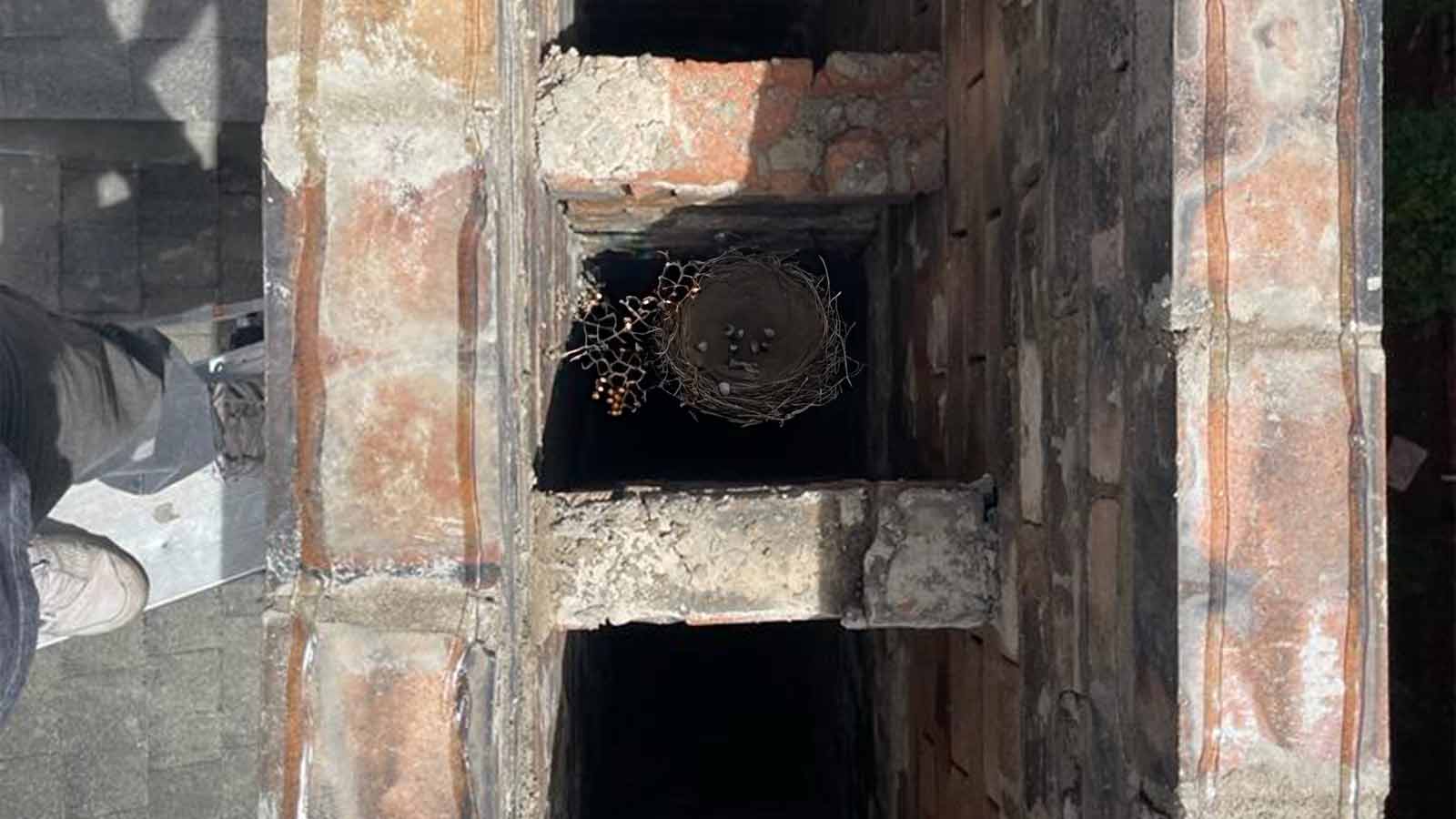
 Humane animal removal in Denver isn't just about yanking a critter out of a flue. It's about doing it without harming the animal, without tearing up your chimney, and without breaking the state wildlife rules that actually carry fines if you ignore them. Our team handles all the usual Colorado visitors, and we follow the law on every job.
Raccoons, squirrels, bats, birds, opossums, the occasional snake or skunk, we've pulled them all out of Denver chimneys. Each one needs a slightly different approach. A squirrel that fell in and can't climb back out is a fast job. A raccoon mother with a litter on the smoke shelf is a slow, careful one. We read the situation before we touch anything.
Nine times out of ten, the animal is up there because the chimney looked like a hollow tree. It's warm, it's dry, and there's no cap. I've crawled onto more Denver roofs than I can count, and the chimneys that get animals are almost always the ones standing wide open at the top. Put a cap on it and most of this problem just goes away.
- Adam, Owner, Adam Chimney Sweep
Expert Humane Wildlife Removal in Denver
We know Denver and we know Colorado wildlife, which matters more than you'd think. The animal that ends up in a Wash Park chimney in March is a different problem than the one in a Lakewood chimney in July. Our compassionate, humane approach keeps animals like raccoons, squirrels, bats, and birds unharmed, gets them out of your chimney, and leaves your flue clear and ready to use.
Spring is the busy season. That's when raccoons and squirrels are looking for a quiet, sheltered spot to have their young, and an uncapped chimney is about as inviting as it gets. Chimney swifts, a protected bird in Colorado, also show up in warmer months and nest right inside the flue. We time and handle each removal around what the animal is actually doing up there, because a nesting mother gets handled very differently than a single animal that's simply stuck.
Humane Animal Removal Pricing
- Small Animals (birds, bats, squirrels): $200 – $350
- Medium Animals (raccoons, opossums): $300 – $500
- Large Animals or Multiple Animals: $450 – $800
- Snakes: $250 – $400
- Skunks: $350 – $600
- Beavers: $500 – $900
- Foxes: $600 – $1,000
Why the range? A lone squirrel near the top of the flue is quick. A raccoon with babies wedged on the smoke shelf, behind a damper, takes longer and sometimes needs the damper pulled. We give you a firm number once we've seen what we're dealing with, and we tell you before we start, not after.
Cleanup and Sanitization Costs
- Basic Cleanup (after small animal removal): $100
- Extensive Cleanup (after medium/large animal or long-term infestation): $200 – $400
Cleanup isn't an upsell, it's part of doing the job right. Animal droppings, nesting twigs, and the mess left behind can carry bacteria and, in the case of bat or bird droppings, fungal spores you really don't want floating around your house. We clear it out and sanitize so your chimney is genuinely clean, not just empty.
We handle the whole wildlife problem, from the removal itself to the prevention work that stops a repeat. Our technicians are trained on current safe and humane removal methods, so the job goes quickly and the animal comes out unhurt. And because wildlife doesn't keep business hours, we run a 24/7 emergency service. If you've got a raccoon thumping around at 11pm, call us at (720) 207-9232 and we'll talk you through what to do until we get there.
Why Choose Adam Chimney Sweep for Humane Animal Removal?
- Local Expertise: Denver-based team that actually knows Colorado wildlife and the seasons they show up in.
- Humane Techniques: We get the animal out alive and keep your home safe doing it.
- Complete Solutions: We've got it covered, from the removal to the cap that keeps the next one out.
- Trained Technicians: Real experience with safe, humane removals, including the tricky ones with babies.
- 24/7 Availability: Wildlife doesn't stick to a schedule, so neither do we.
Common Animals We Remove in Denver
Denver sits right where the city meets the foothills, so we get a steady mix of wildlife in chimneys. The regulars are:
- Raccoons – smart, strong, and the most likely to nest with babies
- Squirrels – often just fall in and can't climb back up the slick flue
- Birds – especially chimney swifts, which are protected and need careful handling
- Bats – their droppings are a real health concern, so cleanup matters here
- Opossums – slow movers that can fully block a flue
We've also pulled the odd snake, skunk, and even a fox out over the years. If it can fit down a chimney, we've probably met it.
The call I never want to get late is the one about a smell. When a homeowner tells me there's a rotten odor coming from the fireplace, it usually means an animal got in, couldn't get out, and didn't make it. We handle those with respect for the animal and we sanitize the whole flue, because the smell won't quit until every bit of it is cleaned out. I'd rather cap your chimney now than make that trip later.
- Adam, Owner, Adam Chimney Sweep
Our Humane Animal Removal Process
Here's how a typical removal goes, start to finish, so you know what to expect when we pull up:
- Inspection and Assessment: We look at the chimney top and inside the flue to figure out what animal it is, where it's sitting, and whether there are babies. That tells us the safest way in.
- Safe, Humane Removal: We use the right tools and technique for that specific animal, and we stay inside Colorado's wildlife laws the whole time.
- Cleanup and Sanitization: Once the animal's out, we clear the nesting material and droppings and sanitize the area so nothing's left to smell or spread.
- Damage Repair: If the animal chipped mortar, knocked bricks loose, or tore up the liner, our techs can fix it on the spot or schedule it.
- Future Prevention: We install a chimney cap or other guard so the next critter can't get in. This is the step that actually ends the problem.
That last step is the one people skip, and it's the reason they call us back the following year. A cap with a sturdy screen is cheap insurance against the whole cycle starting over. Here's a quick look at the cap work that keeps animals out for good:
Why You Should Act Quickly
An animal in your chimney isn't just a nuisance, and the longer it sits the worse it gets. Here's what we actually run into on Denver jobs:
- Fire Hazards from nesting materials
- Local Story: One of our techs recently pulled a bird's nest out of a Cherry Creek chimney that was packed solid with dry twigs, basically kindling sitting right over the firebox. We got it out before anyone lit a fire, but it was a real risk.
- Structural Damage to the chimney
- Local Story: Over in Highlands Ranch, raccoons had worked bricks loose inside the chimney and chewed up the interior. We removed the raccoons and repaired the masonry so it wouldn't get worse.
- Unpleasant Odors
- Local Story: A family in Capitol Hill called about a terrible smell coming from the fireplace. We found a deceased squirrel, removed it, and sanitized the flue so the house was livable again.
- Health Risks from droppings
- Local Story: In Lakewood we dealt with bats nesting in a chimney. Bat droppings can carry harmful pathogens, so we removed the bats humanely and cleaned the flue to clear out the health risk.
- Blocked Flues that lead to carbon monoxide dangers
- Local Story: In Aurora, an opossum nest had fully blocked a family's flue and choked off their ventilation. That can let carbon monoxide build up indoors, which is dangerous. We cleared the blockage and checked that the chimney drafted safely before we left.
None of these get better on their own. A nest grows. Droppings pile up. A blocked flue stays blocked. The sooner we get up there, the smaller and cheaper the fix. Don't wait for it to turn into a repair job. Call Adam Chimney Sweep and we'll handle the removal before it snowballs.
What to Expect When You Call Us
If you've never dealt with this before, here's roughly how it plays out. You call, you tell us what you're hearing, smelling, or seeing, and we ask a few questions to gauge how urgent it is. A single trapped squirrel can usually wait a day. A nest of raccoons or a fully blocked flue we'll try to get to fast. When our tech arrives, the first thing they do is look, not poke. We want to know exactly what's up there before we start, because guessing is how chimneys and animals both get hurt.
Most single-animal removals wrap up in one visit. If there's a nest with young, or the animal has caused damage, we'll walk you through what's involved and give you a clear price before we do the extra work. And once the animal's out, we always talk about prevention, because getting the critter out without capping the chimney is half a job.
People ask me all the time if they can just smoke the animal out or grab it themselves. Please don't. I've seen homeowners get bitten, get the animal more stuck, or end up with a dead raccoon wedged behind the damper. There are also Colorado laws about how you're allowed to handle wildlife, and the fines aren't small. Let someone who does this every week take care of it, and let us do it the legal, humane way.
- Adam, Owner, Adam Chimney Sweep
A Few Colorado-Specific Things Worth Knowing
Colorado takes its wildlife rules seriously, and that shapes how every removal has to be done. A couple of points that catch homeowners off guard:
- Some species are protected. Chimney swifts and certain bats can't be harmed or moved without following specific rules. We work within those rules so you're not on the hook for a violation.
- Relocation isn't a free-for-all. The state regulates who can relocate certain animals and how far they have to be moved. We coordinate with licensed wildlife folks when relocation is the right call.
- Baby season runs spring into summer. If there are young in the chimney, the law and basic decency both say you don't separate them from the mother if you can avoid it. We plan removals around that.
- Prevention is encouraged for a reason. Because relocating wildlife without a permit can be illegal, the smartest move is keeping animals out in the first place. A good chimney cap does that and keeps you on the right side of the rules.
If you want to read the official side of things, Colorado Parks and Wildlife and the state health department both publish guidance on living with and handling nuisance wildlife. The Colorado Department of Public Health and Environment is a solid starting point for the health and safety angle. We stay current on all of it so you don't have to.
FAQs on Humane Animal Removal
- Is it legal to remove animals from my chimney? Yes, but Colorado law requires it be done humanely. Colorado Parks and Wildlife regulations call for humane removal and prohibit harming protected species. Under Colorado Revised Statutes Title 33 (Wildlife and Parks and Outdoor Recreation), it's illegal to harm, harass, or relocate certain protected species without a permit, and there are guidelines for handling nuisance wildlife with minimal stress. We follow all of these state and local rules on every job, so you stay compliant and the animal gets treated right.
- What if there are baby animals? We make sure all the animals, babies included, come out safely and stay together. Our team is trained for situations with young wildlife, which are more delicate and need extra care. Colorado law also calls for added precautions with young animals since they're so vulnerable. We work to relocate young humanely and, whenever we can, keep them with their mother.
- How can I prevent animals from entering my chimney? The best fix is a chimney cap. We carry several options to match your chimney and keep it protected year-round. Colorado actually encourages homeowners to prevent wildlife entry in the first place, since relocating some animals without a permit can land you in legal trouble. A cap keeps wildlife out, keeps you compliant, and saves you the whole headache. You can read more on our chimney repair and prevention page or just ask us.
- Do you relocate animals after removal? We work with local wildlife experts to relocate animals safely and in line with Colorado wildlife laws, so they end up in suitable habitat. Colorado Revised Statutes and Colorado Parks and Wildlife rules require that licensed professionals handle relocation of certain species, and within a set distance so the animal can survive. We stick to those rules so every relocated animal is handled safely and legally.
- How often should I inspect my chimney for animals? Once a year, ideally before burning season, so you know the flue is clear and safe before you light the first fire. A yearly look also catches a missing or damaged cap before it turns into an open invitation.
Pair Removal With a Real Inspection
While we're up there getting an animal out, it makes sense to have us check the rest of the chimney too. Animals climbing in and out wear on the liner, knock mortar loose, and damage caps and crowns. A quick inspection while we're already on the roof tells you whether the critter did any harm you can't see from the ground. If you've had wildlife in the flue, booking a Denver chimney inspection is the smart follow-up, and we can roll it into the same visit.
The same goes for cleaning. If a nest has been sitting in your flue, there's often built-up debris and creosote that needs to come out before you burn again. Our chimney sweep and cleaning service handles that, and pairing it with the removal saves you a second trip.
Contact Adam Chimney Sweep for Humane Animal Removal in Denver
Go with Adam Chimney Sweep and Fireplace Services for reliable, humane animal removal across Denver and the surrounding towns. We'll get the animal out safely, clean up after it, fix any damage, and cap the chimney so it stays a one-time problem. Call (720) 207-9232 or head to our contact page to schedule.
Got scratching, a smell, or a bird you can hear but can't reach? Don't wait for it to get worse. Reach out today and we'll take care of it. A clean, capped chimney is a safe chimney, and that's exactly what we'll leave you with.