If you own a home with a fireplace in Colorado, the chimney laws and regulations in your city aren't just red tape. They're the rules that keep your house from catching fire and your indoor air clean. I've been sweeping and repairing chimneys around Denver since 2001, and I can tell you the codes change from one town to the next, sometimes in ways that surprise people. What flies in Lakewood might need a permit in Centennial. This guide walks through the rules city by city so you know what's expected before you light that first fire of the season or hire someone to do work on your flue.
A quick word on why this matters. Most of the calls I get every winter trace back to two things: a chimney that never got inspected, or work that got done without a permit and then failed. Both are avoidable. Knowing your local code is the first step. If you ever want a hand sorting out what applies to your property, call me at (720) 207-9232 and I'll walk you through it.
People assume chimney rules are the same everywhere because the flue does the same job. They're not. I've pulled permits in eight different Denver-metro cities in a single month, and every one of them wanted something slightly different. Check your own city's code before you start, not after.
- Adam, Owner, Adam Chimney Sweep
Chimney Regulations by City in Colorado
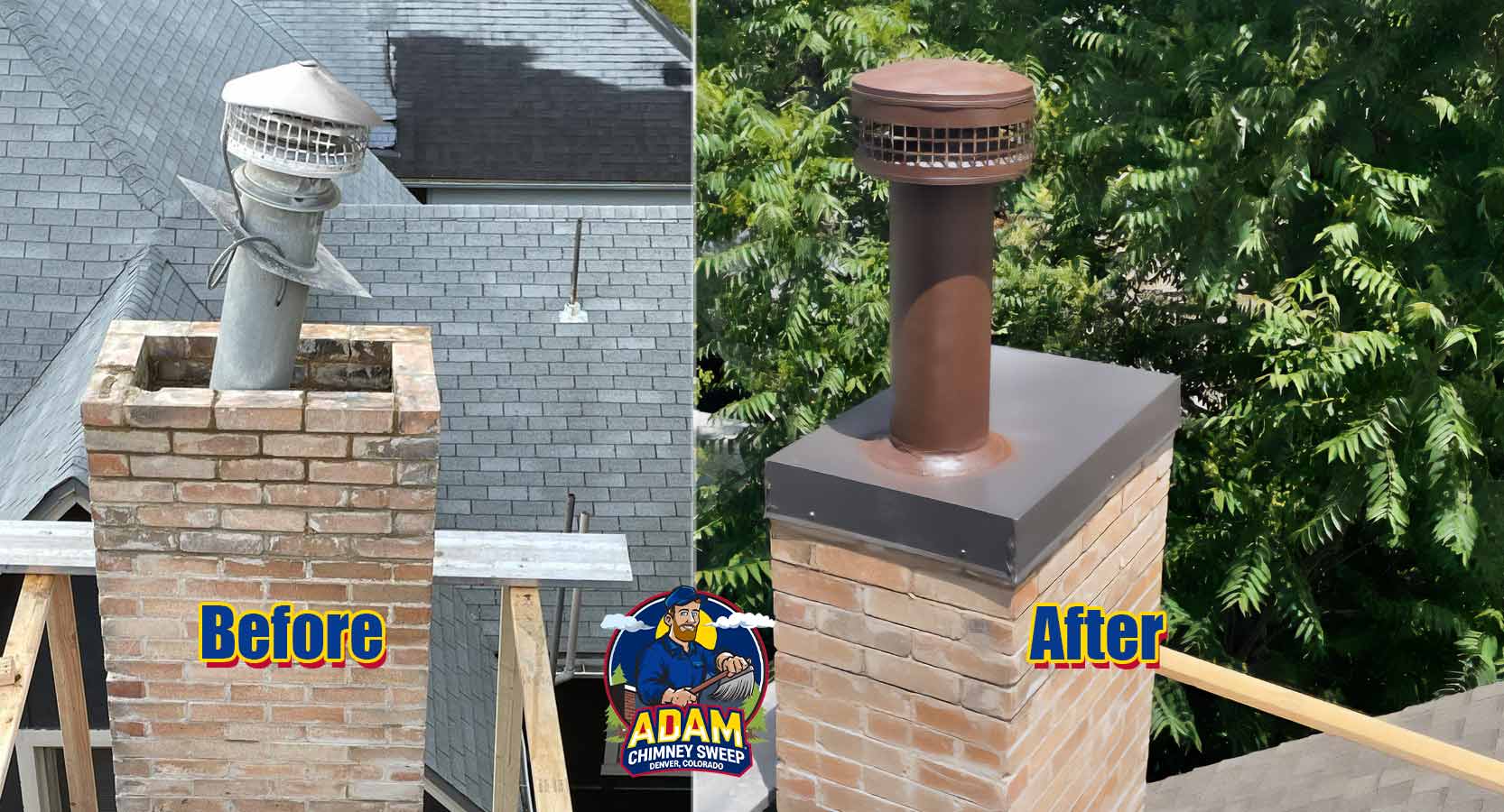
Chimney regulations in Colorado cover four big areas no matter where you live: how the chimney is built, how often it gets cleaned and inspected, when you need a permit, and which building code your city has adopted. Below I've broken down the specifics for the cities we serve most. Each one has its own quirks, so find your town and read closely.
Denver
Denver, the vibrant heart of Colorado, has a full set of chimney laws built around homeowner safety and clean air. For wood-burning fireplaces, the city wants chimneys to stand at least 2 feet above anything around them so you get proper draft and don't end up with smoke pushing back down into the room. Annual cleaning and inspections, matched to National Fire Protection Association (NFPA) standards, are required so you avoid fire risk and keep things working. Level 1 inspections are the most common, and they cover a careful look at the accessible parts of the chimney. You also need permits for any chimney work, from a new install to a major repair, so everything lines up with local building codes.
| Category | Requirement |
|---|---|
| Chimney Laws Exist | Yes |
| Construction Rules | Wood-burning fireplaces must have chimneys that exceed surrounding structures by at least 2 feet. |
| Maintenance | Annual cleaning and inspection are required to ensure safety and functionality in accordance with NFPA standards. |
| Inspection | Level 1 inspection is required annually. |
| Permit Requirements | Permits necessary for installations and significant repairs. |
Colorado Springs
 Down at the base of Pikes Peak, Colorado Springs runs strict chimney laws under the Pikes Peak Regional Building Code. The rules lean hard on safety and structure. You can't connect appliances directly to chimney flues that serve fireplaces, and the materials you build with have to meet fire-resistance standards so you cut down on hazards. Homeowners are expected to do annual inspections to catch blockages or structural damage, following NFPA 14.2 guidelines. Permits are required for installs, big repairs, and even adding a wood or gas stove, which shows how seriously the city takes chimney safety.
| Category | Requirement |
|---|---|
| Chimney Laws Exist | Yes |
| Construction Rules | Prohibits appliances connected directly to fireplace chimneys; material restrictions apply. |
| Maintenance | Annual inspections are required to check for damage or buildup, in line with NFPA 14.2. |
| Inspection | Inspections must include all accessible portions of the chimney. |
| Permit Requirements | Construction, installation, and repairs, such as wood/gas stove additions, are required. |
Aurora
 Aurora, Colorado's third-largest city, enforces the 2015 International Building Code (IBC) for chimney construction. The city pushes regular maintenance and inspections to keep chimneys sound and safe. Yearly checks are recommended, and they should cover every part of the system, including the flue and firebox. You need permits for construction, repairs, and deep cleanings, which fits Aurora's hands-on approach to safety. These steps cut fire risk and head off structural problems while keeping chimney systems running well over the long haul.
| Category | Requirement |
|---|---|
| Chimney Laws Exist | Yes |
| Construction Rules | Must adhere to the 2015 International Building Code (IBC). |
| Maintenance | Annual inspections are recommended to assess the soundness of the flue and firebox. |
| Inspection | Required for annual functionality checks. |
| Permit Requirements | Permits are needed for construction, repair, and cleaning. |
Fort Collins
 Fort Collins follows the 2021 International Building Code (IBC) and adds its own amendments shaped by the city's climate and terrain. Chimneys here need annual inspections so they stay free of blockages and the fire risk stays low. Those inspections keep the chimney working and keep you on the right side of local safety standards. Permits are required to install fireplaces, chimneys, and wood stoves, so every new install meets the bar. The city's focus on safety shows up in its regular inspection recommendations and its use of the most current building codes.
| Category | Requirement |
|---|---|
| Chimney Laws Exist | Yes |
| Construction Rules | Adheres to 2021 IBC with local amendments for high-altitude conditions. |
| Maintenance | It is recommended to check for blockages annually to reduce fire risks. |
| Inspection | Inspections must meet safety and functionality standards annually. |
| Permit Requirements | Required for fireplaces, chimneys, and wood stoves. |
Lakewood
 Lakewood, a busy suburban city, runs on the 2021 International Building Code with local amendments. The town requires annual chimney inspections to keep the structure sound and clear out dangerous deposits. Regular maintenance, cleaning included, is strongly recommended to stop creosote buildup, which is the number-one cause of chimney fires. Permits are generally required for chimney construction or repair, but minor repairs under 100 square feet are exempt, which gives homeowners a little breathing room. Lakewood's rules try to keep safety tight without making every small job a hassle.
| Category | Requirement |
|---|---|
| Chimney Laws Exist | Yes |
| Construction Rules | Adheres to the 2021 International Building Code with amendments. |
| Maintenance | Annual inspection and cleaning are required to prevent buildup and ensure soundness. |
| Inspection | Required at least once annually for safety compliance. |
| Permit Requirements | Necessary for work exceeding 100 square feet. More minor repairs are exempt. |
Thornton
Thornton's chimney laws put safety first, and that's especially true for gas fireplaces, which need regular servicing to run right. The city doesn't pin down an exact inspection frequency, but it strongly advises regular checks to spot obstructions and confirm the structure is sound. Because Thornton follows International Building Code standards, all construction and alterations need permits. On top of that, certain burning activities require permits too, which is the city's way of heading off chimney problems before they start. With these rules in place, Thornton helps homeowners keep heating systems that are both safe and efficient.
| Category | Requirement |
|---|---|
| Chimney Laws Exist | Yes |
| Construction Rules | Complies with IBC and IRC codes for structural integrity. |
| Maintenance | Regular inspections are advised, especially for gas fireplaces. |
| Inspection | Ensures structures are obstruction-free and safe for use. |
| Permit Requirements | Required for all alterations, burning activities, and new constructions. |
Arvada

 Arvada keeps solid chimney regulations on the books to make home heating safe and efficient. One rule that catches people off guard: chimneys wider than 30 inches have to have a cricket installed to push water away and keep it from rotting the structure. Existing chimneys are usually off the hook for upgrades unless local code says otherwise. Annual inspections are recommended to look for creosote buildup and ventilation trouble, which knocks down the odds of a chimney fire. Permits are required for big jobs, including agricultural burning or major repairs, while small outdoor fireplaces are generally exempt. It's Arvada's way of keeping things safe without getting in the way of normal use.
| Category | Requirement |
|---|---|
| Chimney Laws Exist | Yes |
| Construction Rules | Chimneys over 30 inches wide must have crickets; retrofits are exempt unless codes specify otherwise. |
| Maintenance | Inspections are recommended to check ventilation and prevent creosote buildup. |
| Inspection | Annual checks are required for soundness and compliance. |
| Permit Requirements | Necessary for burning activities and significant repairs; minor outdoor work excluded. |
That cricket rule in Arvada and Loveland trips up more homeowners than anything else on this list. If your chimney is wider than 30 inches and you don't have a little peaked saddle behind it shedding water, you're going to get rot and leaks. I install them all the time, and it's a lot cheaper than fixing the water damage that comes when you skip it.
- Adam, Owner, Adam Chimney Sweep
Westminster
 Westminster follows the 2021 International Residential Code (IRC) and other standards to keep chimneys safe and sound. The city stresses annual cleaning and inspections to prevent fire hazards and keep everything working the way it should. Homeowners need to schedule at least one inspection a year to check soundness, clearances, and whether any dangerous deposits have built up. Permits are required for major chimney projects, including installs, repairs, and removals, so the work matches local building codes. Westminster's rules put the weight on both staying ahead of problems and sticking to strict safety steps.
| Category | Requirement |
|---|---|
| Chimney Laws Exist | Yes |
| Construction Rules | Must comply with the 2021 International Residential Code. |
| Maintenance | Annual inspections and cleaning are required to prevent fire hazards. |
| Inspection | At least one annual inspection to ensure proper clearance and soundness. |
| Permit Requirements | Mandatory for all central installations, repairs, and removals. |
Greeley
Greeley's chimney regulations line up with the International Residential Code (IRC) and state-specific safety standards, with a focus on fire-resistant materials and solid construction. The city strongly recommends annual inspections to cut down on risks like chimney fires and blockages that come with the seasonal weather up there. Those inspections are key for keeping the chimney working and keeping the people inside safe. Building permits are required for any construction, alterations, or repairs to chimneys, which shows how much weight the city puts on safety. Greeley's approach is meant to keep chimneys durable and in step with modern safety requirements.
| Category | Requirement |
|---|---|
| Chimney Laws Exist | Yes |
| Construction Rules | Adheres to IRC and state fire safety regulations, ensuring the proper use of materials. |
| Maintenance | Seasonal inspections are highly recommended to address weather impacts. |
| Inspection | Must comply with annual safety checks. |
| Permit Requirements | Required for construction, alterations, and significant repairs. |
More Colorado Cities: Pueblo, Boulder, Centennial, and Beyond

 Below you'll find the next set of city breakdowns, covering Pueblo, Boulder, Centennial, Longmont, and more. Each one lays out the construction rules, permits, and maintenance guidelines so you can find your town and see exactly what's expected.
Pueblo
Pueblo keeps its chimney regulations basic but important, all aimed at homeowner safety and a working system. Chimneys need annual inspections to confirm the structure is sound and free of hazards. Those checks help catch fire risks or damage that could mess up the system before it becomes a real problem. Permits are usually required for any significant chimney construction or repair so the work stays in line with local safety standards.
| Category | Requirement |
|---|---|
| Chimney Laws Exist | Yes |
| Maintenance | Annual inspections to ensure safety and functionality. |
| Inspection | Chimneys must be inspected at least once a year. |
| Permit Requirements | Required for construction or major repair work. |
Centennial
 Centennial holds chimney construction and maintenance to a strict standard for safety and clean air. Chimneys have to reach at least 3 feet above the roofline where they pass through it and meet the 2015 IRC/IBC building codes. A qualified pro has to handle the annual inspection, and cleaning is recommended once soot reaches 1/8 inch. Permits are required for all construction, repair, and cleaning projects so everything matches the city's detailed rules.
| Category | Requirement |
|---|---|
| Chimney Laws Exist | Yes |
| Construction Rules | Must comply with the 2015 IRC/IBC and extend 3 feet above the roofline. |
| Maintenance | Annual inspections and cleaning if soot exceeds 1/8 inch. |
| Inspection | Routine Level 1 inspections annually; Level 2 for system changes. |
| Permit Requirements | Required for construction, repair, or cleaning activities. |
Boulder
 In Boulder, the chimney rules put a heavy weight on environmental sustainability and safety, which fits the town. Chimneys have to meet construction standards, and wood-burning devices need to be EPA-certified or Colorado Phase IV-compliant. Annual cleaning and inspections are required to keep the system sound and protected, with a Level 1 inspection usually mandated to check the visible and structural parts. These steps let Boulder hold onto its eco-friendly streak while keeping chimneys running safely.
| Category | Requirement |
|---|---|
| Chimney Laws Exist | Yes |
| Construction Rules | Wood-burning devices must meet EPA or Colorado Phase III standards. |
| Maintenance | Annual cleaning and inspection are required to ensure safety. |
| Inspection | Level 1 inspection is typically mandated for visible and structural assessment. |
| Permit Requirements | Required for construction and significant repair activities. |
Longmont
 Longmont takes a structured path to chimney safety. It requires listed and labeled components, installed to the manufacturer's instructions and the Code of Colorado Regulations. Annual inspections are highly recommended to catch blockages or creosote buildup that could spark a fire. Permits are required for all chimney work, including new installs and alterations, so everything meets safety standards and keeps homeowners out of harm's way.
| Category | Requirement |
|---|---|
| Chimney Laws Exist | Yes |
| Construction Rules | Components must be installed in accordance with the manufacturer’s guidelines and regulations. |
| Maintenance | Annual inspections to reduce fire risks and ensure proper functioning. |
| Inspection | Recommended annually to maintain safety and performance. |
| Permit Requirements | Mandatory for new construction and alterations. |
Loveland
 Loveland cares about both how the chimney is built and how it's kept up over time. Chimneys wider than 30 inches need crickets, and ventilation has to meet IRC 806 or IBC section 1203 standards. Under NFPA 211, annual inspections are recommended and needed to deal with creosote buildup and damage. Miscellaneous permits cover all kinds of chimney work, inspections and installs included, so everything stays in step with local codes.
| Category | Requirement |
|---|---|
| Chimney Laws Exist | Yes |
| Construction Rules | Chimneys over 30 inches wide must have crickets; ventilation rules apply. |
| Maintenance | Annual inspections are required to address creosote buildup and structural soundness. |
| Inspection | Additional inspections are required after changes or incidents such as chimney fires. |
| Permit Requirements | Miscellaneous permits are required for inspections, installations, and repairs. |
Castle Rock
 Castle Rock runs on the 2012 International Residential Code (IRC), which sets a high bar for chimney construction and safety. Annual inspections are recommended so systems stay safe and working, with attention on catching creosote buildup and structural issues. Permits are required for open burning and any construction or repair work, which backs up the town's focus on safety and industry standards.
| Category | Requirement |
|---|---|
| Chimney Laws Exist | Yes |
| Construction Rules | Adheres to 2012 IRC, maintaining minimum safety and structural standards. |
| Maintenance | Annual inspections are recommended to check for creosote and ensure functionality. |
| Inspection | Chimneys must be inspected at least once a year. |
| Permit Requirements | They are required for open burning, construction, and significant repair activities. |
Broomfield
 Broomfield follows the 2021 International Codes and the 2023 National Electrical Code for chimney safety. Annual inspections and cleaning are required to head off hazards like creosote buildup and structural damage. Chimneys have to be inspected at least once a year to confirm they're sound and have the right clearances. Permits are required for construction, alterations, or repairs so the work matches the city's updated regulations.
| Category | Requirement |
|---|---|
| Chimney Laws Exist | Yes |
| Construction Rules | Complies with 2021 International Codes for safety and efficiency. |
| Maintenance | Annual cleaning and inspection are required to maintain safety. |
| Inspection | Must be inspected at least once per year to ensure soundness and functionality. |
| Permit Requirements | Necessary for construction, alterations, and major repairs. |
Grand Junction
 Grand Junction follows the 2018 International Fire Code and International Building Code to keep chimneys safe and sound. Annual inspections are required to check soundness and confirm the flue is free of deposits. Level 2 inspections come into play when systems get modified or new appliances get added. Permits are required for all chimney work in public areas so projects stay in line with municipal safety rules.
| Category | Requirement |
|---|---|
| Chimney Laws Exist | Yes |
| Construction Rules | It must comply with the 2018 IFC and IBC standards for construction and safety. |
| Maintenance | Annual inspections are required to detect deposits and ensure soundness. |
| Inspection | Level 2 inspections are needed for system modifications or new installations. |
| Permit Requirements | Construction permits are required for all public-area chimney work. |
Chimney Regulations in Commerce City
 Commerce City uses the 2009 International Building Code (IBC) and International Residential Code (IRC) for all chimney construction, so systems hit the basic safety and design marks. The city doesn't spell out exact inspection frequencies, but annual checks are strongly recommended to prevent fire hazards and stay on top of safety rules. Permits are mandatory for any construction, repair, or cleaning work tied to chimneys, which reflects the city's focus on keeping the structure and the system in good shape.
| Category | Requirement |
|---|---|
| Chimney Laws Exist | Yes |
| Construction Rules | Follows the 2009 IBC/IRC codes for design and construction standards. |
| Maintenance | Annual inspections are recommended to minimize fire hazards. |
| Inspection | Regular checks are required to ensure compliance with safety standards. |
| Permit Requirements | Required for all construction, repair, and cleaning work. |
Chimney Regulations in Parker
 The Parker Administrative Code runs Parker's chimney regulations, holding all structures to set safety and design standards. Chimneys need annual inspections, and extra cleaning is recommended after each use of a wood-burning fireplace to stop creosote from piling up. For new homeowners and property managers, Level II inspections are required when ownership changes and for nearly all chimney work, including installs, repairs, and major modifications, so everything meets the town's strict safety codes.
| Category | Requirement |
|---|---|
| Chimney Laws Exist | Yes |
| Construction Rules | It is governed by the Parker Administrative Code, requiring adherence to design and safety standards. |
| Maintenance | Wood-burning fireplaces require cleaning after each use to prevent creosote buildup. |
| Inspection | Annual checks are required; Level II inspections are mandatory for ownership changes. |
| Permit Requirements | New builds, installations, repairs, and significant alterations are needed. |
Chimney Regulations in Littleton
 Littleton follows the 2021 International Plumbing Code and local building codes to govern how chimneys are built and kept sound. Homeowners need to do annual inspections to check creosote buildup, structural integrity, and overall cleanliness. Those inspections keep you compliant with safety standards and cut fire risk. Permits are required for all chimney work, including construction and air-related changes, and the work has to follow the city's full safety framework.
| Category | Requirement |
|---|---|
| Chimney Laws Exist | Yes |
| Construction Rules | Adheres to the 2021 International Plumbing Code and local standards. |
| Maintenance | Annual cleaning and inspection are required to prevent fire hazards and creosote buildup. |
| Inspection | Conducted annually to ensure soundness and compliance with safety codes. |
| Permit Requirements | Mandatory for construction, repairs, and cleaning activities. |
What a Code-Compliant Chimney Inspection Actually Covers
Almost every city above lists an annual inspection as a requirement or a strong recommendation, but the codes rarely explain what one looks like. Here's what I check on a standard Level 1 visit, the kind most homeowners need year to year:
- The flue interior for creosote, soot, and any blockage from leaves, debris, or animal nests.
- The chimney crown and cap for cracks, gaps, or missing pieces that let water in.
- Clearances between the chimney and nearby framing, siding, or roofing.
- The firebox, damper, and smoke chamber for cracks or deterioration.
- The mortar joints and brick on a masonry chimney for spalling or loose material.
- Proper height above the roofline, which several cities spell out at 2 or 3 feet.
If anything I find points to a bigger problem, that's when a Level 2 inspection comes in, which adds a camera scan of the full flue. Cities like Centennial, Grand Junction, and Parker call for Level 2 inspections after system changes or a change in ownership.
How to Stay Compliant: A Step-by-Step Guide
Pulling all these city rules together, the path to a safe, code-compliant chimney is pretty similar no matter which town you're in. Here's the order I'd follow:
- Find out which building code your city has adopted. The tables above give you a starting point, but codes get updated, so confirm with your local building department.
- Book an annual inspection with a qualified chimney professional. This is required or strongly advised in every Colorado city I work in.
- Get the chimney cleaned if the inspection finds creosote at or near the 1/8 inch mark, the threshold Centennial uses.
- Before any construction or repair, check whether you need a permit. Most cities require one for anything beyond minor work.
- If you're buying a home or your system changed, ask whether a Level 2 inspection is required. Parker and a few others mandate it on ownership transfer.
- Keep your paperwork. Inspection records and permits matter when you sell, and they protect you if there's ever an insurance claim after a fire.
The single best thing you can do is get on a yearly schedule and stick to it. Half the dangerous chimneys I see aren't dangerous because someone built them wrong. They're dangerous because nobody looked at them for ten years. An inspection costs a fraction of what a chimney fire or a failed home sale does.
- Adam, Owner, Adam Chimney Sweep
Common Problems We See Across Colorado
After more than two decades on Front Range roofs, certain issues show up again and again no matter which city the house sits in. Knowing the warning signs helps you call before a small fix turns into a big one. Watch for:
- White, chalky staining on the brick, which usually means water is getting in and pulling minerals to the surface.
- A strong, smoky smell when the fireplace isn't even in use, often a sign of creosote buildup.
- Bits of brick or mortar showing up in the firebox or on the roof, a classic freeze-thaw problem at our altitude.
- A damper that's hard to open or close, or one that won't seal.
- Visible cracks in the crown or a cap that's rusted, bent, or gone entirely.
- Smoke pushing back into the room, which can point to a blockage or a chimney that's too short for proper draft.
Colorado's climate makes the water problems worse than in a lot of states. Our freeze-thaw cycles are brutal on masonry. Water soaks into the brick during a warm afternoon, freezes overnight, and expands. Do that a few hundred times a winter and the brick starts to break apart. That's why so many of these city codes harp on crowns, caps, and crickets. They're all about keeping water out.
Why Local Codes Lean So Hard on Air Quality
You'll notice Boulder and Denver tie their chimney rules to EPA certification and Colorado Phase compliance for wood-burning devices. There's a real reason behind it. According to research by Adam Chimney Sweep, chimneys don't generate secondhand smoke the way a cigarette does. Still, they can hurt your indoor air quality, especially if they're not cleaned or maintained. When a chimney gets blocked or coated with creosote and soot, smoke and toxic byproducts from your fireplace or wood stove can backdraft into the house. That smoke carries harmful particles, including carbon monoxide, benzene, and formaldehyde, the same stuff you find in secondhand cigarette smoke.
So while it's not secondhand tobacco smoke, the health effects can be similar, especially for the people most at risk, like children, seniors, or anyone with a respiratory condition. That's the practical reason behind the inspection and cleaning rules. They aren't there to nickel-and-dime you. They're there because a dirty flue can quietly make the air in your home worse all winter. For more on cleaner-burning practices, the EPA's Burn Wise program is a solid place to read up.
Frequently Asked Questions
Do I really need a permit for a small chimney repair?
It depends on your city and the size of the job. Lakewood, for example, exempts minor repairs under 100 square feet, while other cities want a permit for almost anything. When in doubt, call your local building department or call us and we'll tell you what your project needs.
How often should I have my chimney inspected?
Once a year is the standard across every Colorado city covered here, and that matches the national guidance from the Chimney Safety Institute of America. If you burn a lot of wood, or you just bought the home, you may want a more detailed Level 2 inspection.
What's the difference between a Level 1 and Level 2 inspection?
A Level 1 is the routine yearly check of the readily accessible parts of your chimney. A Level 2 goes further, adding a camera scan of the full flue, and it's required by cities like Parker and Grand Junction after a system change or a change in ownership.
My chimney is wider than 30 inches. Do I need a cricket?
In Arvada and Loveland, yes, the code calls for a cricket on chimneys over 30 inches wide. Even where it isn't required, I'd recommend one. It sheds water away from the back of the chimney and saves you from leaks and rot down the line.
Get Help With Your Local Chimney Requirements
Chimney laws across Colorado share the same goal, even when the details differ from city to city: keep your home safe, keep the air clean, and make sure the work gets done right. Whether you need a yearly inspection, a permit pulled for a repair, or just a straight answer about what your town requires, we handle it every day. We've worked on chimneys in nearly every city on this page. Browse our full list of chimney services to see how we can help, schedule a chimney inspection in Denver, or reach out through our contact page. You can also call Adam directly at (720) 207-9232 and we'll get you sorted before your next burning season.