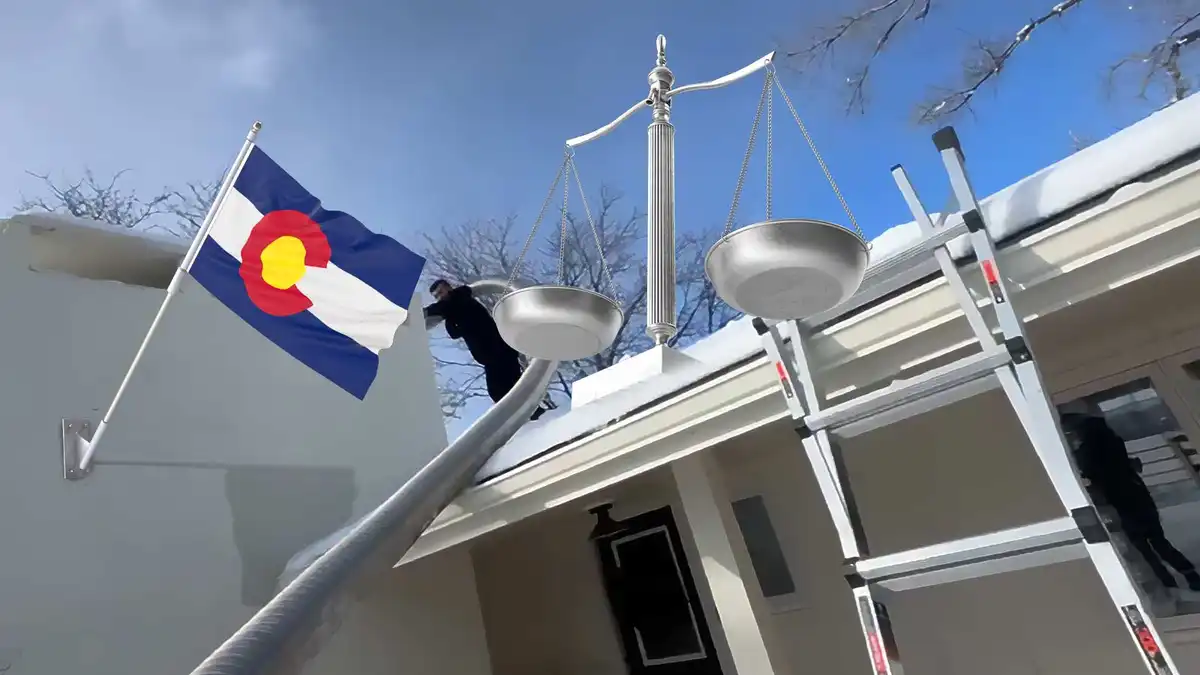
I’ve owned Adam Chimney Sweep for a long time now, and I’ve watched Denver winters turn a cozy fireplace into a real safety problem more times than I can count. Last week a homeowner over in Cherry Creek called me in a panic. Their chimney crown had cracked when the temperature dropped from 60°F to 15°F in less than a day. That kind of swing is normal here. It’s also exactly the thing that wrecks a chimney that wasn’t ready for winter.
 I’ve owned Adam Chimney Sweep for a long time now, and I’ve watched Denver winters turn a cozy fireplace into a real safety problem more times than I can count. Last week a homeowner over in Cherry Creek called me in a panic. Their chimney crown had cracked when the temperature dropped from 60°F to 15°F in less than a day. That kind of swing is normal here. It’s also exactly the thing that wrecks a chimney that wasn’t ready for winter.
After nearly two decades around the Denver metro, I’ll tell you straight: winter chimney safety isn’t only about stopping fires. It’s about protecting the whole house. I run my business out of 12894 E Villanova Dr in Aurora, and I’ve driven to a lot of winter emergencies that a simple fall checkup would have prevented.
Why Winter Chimney Safety Matters in Denver
Winter chimney safety in Denver comes down to one stubborn fact: our weather is rough on masonry, and a chimney that limps into December usually doesn’t make it to spring without trouble. If you only remember one thing from this page, make it that.
 Winter chimney safety in Denver comes down to one stubborn fact: our weather is rough on masonry, and a chimney that limps into December usually doesn’t make it to spring without trouble. If you only remember one thing from this page, make it that.
Colorado’s Climate Is Hard on Chimneys
Our climate throws problems at chimney systems that folks in calmer parts of the country never deal with. We sit at 5,280 feet, so the air is thinner, and that changes how a fire burns and how well your chimney pulls smoke up and out. Add the temperature swings we all joke about, and a chimney here takes a beating that a chimney in, say, the Midwest just doesn’t.
The freeze-thaw cycle is the real killer for brick chimneys. Water sneaks into a hairline crack, freezes overnight, and pushes outward with surprising force. Do that a few dozen times over a winter and you get spalling, which is just a fancy word for brick and stone faces popping and flaking off. I’ve handed homeowners repair estimates north of $5,000 because a small crack got ignored one season too long.
Here’s the part that catches people off guard. Water damage doesn’t announce itself. It starts at the very top, where you can’t see it from the yard, and by the time a stain shows up on the living room ceiling the problem has usually been growing for months.
The single biggest mistake I see Denver homeowners make is firing up the fireplace in November without a fall checkup. Our 60-degree-to-15-degree swings crack crowns fast, and a $20 tube of sealant in October beats a $3,000 crown rebuild in February every single time.
- Adam, Owner, Adam Chimney Sweep
The Hidden Cost of Skipping Service
I keep records, and the numbers are pretty blunt. Homeowners who skip their yearly inspection end up paying roughly 300% more in repairs than the folks who stay on a regular schedule. Our chimney sweep service starts at $150. A chimney that gets neglected for years can need a full rebuild that runs upwards of $15,000. That’s not a scare tactic, it’s just the math I see play out on the calendar every year.
Think of it the same way you think about an oil change. Nobody loves paying for one, but everybody understands it’s cheaper than a new engine. Your chimney works the same way.
Complete Winter Chimney Safety Checklist
Every Denver homeowner should run through this before lighting the first fire of the season. I tell people to schedule it in early October, before the first real snow shows up. That timing gives you room to fix anything we find without rushing.
Pre-Winter Inspection Points
Below is the rundown I walk through on a typical fall visit. You can eyeball some of it yourself from the ground, but the items marked for professional attention need a camera and some training to judge correctly.
| Inspection Item | What to Look For | Action Required |
|---|---|---|
| Chimney Cap | Cracks, rust, missing screens | Replace if damaged |
| Crown | Cracks, crumbling mortar | Seal minor cracks, rebuild if major |
| Flashing | Gaps, rust, loose sections | Re-seal or replace |
| Masonry | Loose bricks, white staining (efflorescence) | Tuckpointing, waterproofing |
| Damper | Rust, warping, and proper closure | Repair or replace |
| Flue Liner | Cracks, corrosion, blockages | Professional inspection required |
What a Homeowner Can Check vs. What I Handle
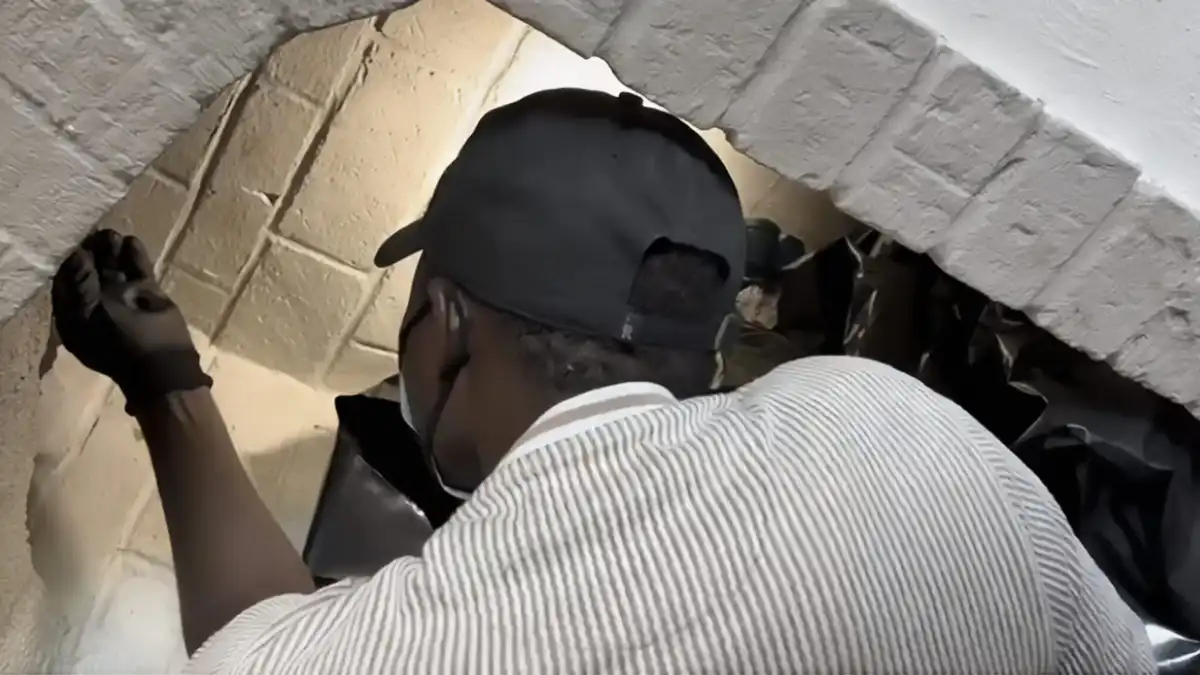
You can safely look over the outside stuff. The flue liner is a different story, since checking it right means running a video camera down the inside. On my inspections I use that camera to catch creosote buildup, cracked flue tiles, or a squirrel that moved in over the summer, none of which you’d ever spot standing in the driveway.
Monthly Maintenance During Heating Season
Once the fireplace is in regular use, a quick monthly once-over keeps small surprises from becoming big ones. Here’s the routine I give my customers:
- Walk the exterior. Look for animal activity around the cap, watch for ice dams along the roof edge, and check for any new cracks after a sharp temperature swing.
- Check the firebox and damper. Open and close the damper to make sure it still moves freely, look over the fireplace screen, and sniff for any musty smell that might mean moisture or a blockage.
- Test your safety gear. Hit the test button on your smoke alarms, glance at the pressure gauge on your fire extinguisher, and confirm the carbon monoxide detectors are working.
Emergency Preparedness
Denver weather can flip on you, so I keep a 24-hour emergency line open at (720) 207-9232. Chimney trouble doesn’t keep banker’s hours, and neither do I. The table below covers the situations people call about most and what to do before help arrives.
| Emergency Type | Immediate Action | Professional Help Needed |
|---|---|---|
| Chimney Fire | Call 911, and evacuate if necessary | Immediate inspection before reuse |
| Carbon Monoxide Alarm | Ventilate the home, call the gas company | Full system inspection |
| Water Leakage | Place containers, document damage | Source identification and repair |
| Animal Intrusion | Don’t use the fireplace, secure area | Professional animal removal |
Warning Signs You Shouldn’t Ignore
Between visits, your chimney will usually tell you when something’s wrong. Here are the red flags I want every Denver homeowner watching for once the cold sets in:
- White, chalky staining on the brick (efflorescence), which means water is moving through the masonry
- Bits of brick, mortar, or tile showing up in the firebox or on the roof
- A damper that sticks, squeals, or won’t seal all the way shut
- Smoke rolling back into the room instead of drawing up the flue
- A sharp, smoky smell coming off the fireplace even when it’s cold, which often points to heavy creosote
- Water stains on the ceiling or wall near the chimney chase
- Rusty streaks on the cap or damper, a sign moisture is getting where it shouldn’t
None of these mean you’re in immediate danger, but all of them mean it’s time to pick up the phone before the next hard freeze.
Professional vs. DIY: When to Call the Experts
I’m not one of those guys who wants you to feel helpless about your own house. I’ve built good relationships with homeowners all over our service areas, and I’d rather you stay involved. There’s plenty you can safely do yourself.
Safe DIY Maintenance Tasks
Outside the House
- Clearing leaves and debris off the chimney cap screens
- Brushing snow buildup away from the base of the chimney
- Looking the exterior over for obvious damage after a big storm
- Keeping firewood and other combustibles a safe distance back
Inside the House
- Scooping out ashes once they’re fully cool, stored in a metal can
- Checking the fireplace screen for tears or gaps
- Working the damper open and closed to confirm it moves
- Glancing up the flue with a flashlight for anything obviously blocking it
When You Really Need a Pro
Some jobs need training and the right gear, full stop. I’ve cleaned up after too many well-meaning homeowners who turned a small fix into a dangerous mess. These are the ones to leave alone.
Flue System Work
The flue liner is the most important safety piece in the whole chimney. A damaged liner can let deadly carbon monoxide seep into the house or set up a fire hazard inside the wall. Getting it inspected and repaired properly keeps the draft right and keeps combustion gases where they belong, which is outside.
Structural Repairs
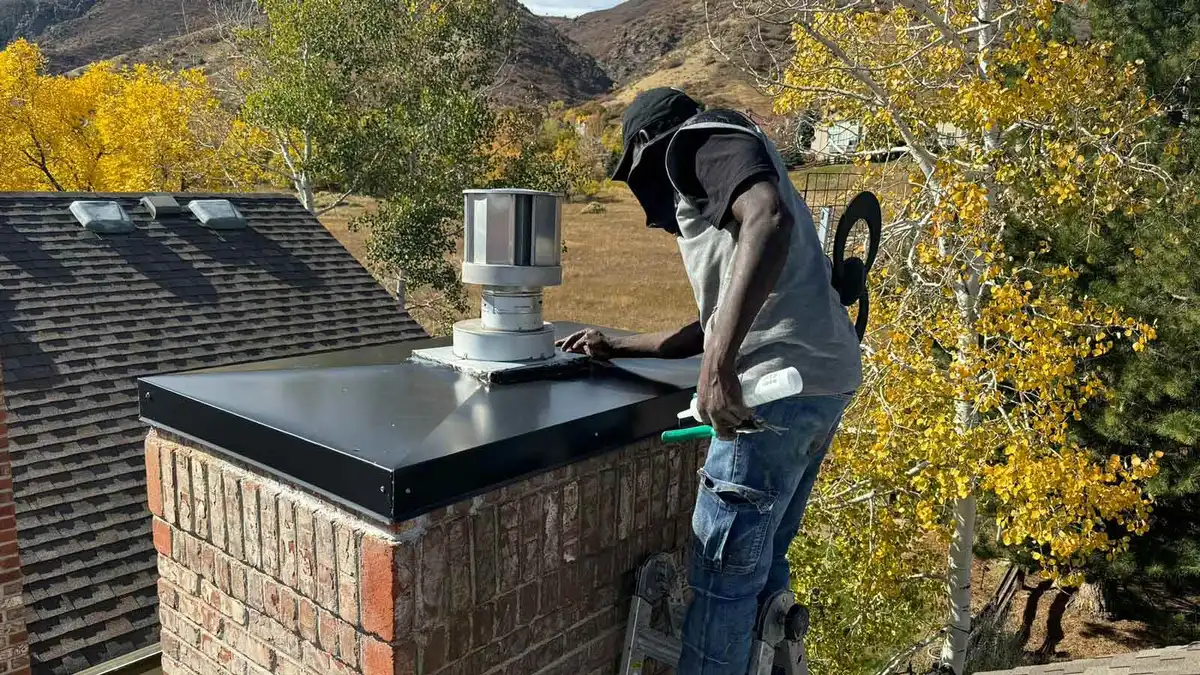
Tuckpointing, crown repair, and cap replacement all hinge on using materials that hold up to Colorado’s climate. Grab the wrong mortar at the hardware store and you can actually speed up the damage instead of fixing it. I’ve seen DIY patch jobs fail in a single winter because the mortar wasn’t matched to the original brick.
People ask me all the time whether they can just seal a crown crack themselves. Honestly, the sealing part is easy. The hard part is reading the crown correctly, because a crack that looks cosmetic from the ground is sometimes the tip of a much bigger problem underneath. That’s the call I’d rather make for you than have you guess.
- Adam, Owner, Adam Chimney Sweep
Cost Considerations and Value
Our chimney and fireplace pricing reflects the complexity and the safety side of professional work. Here’s roughly how the costs shake out over time:
| Service Type | Price Range | Frequency | Annual Cost |
|---|---|---|---|
| Annual Cleaning & Inspection | $150-$300 | Yearly | $150-$300 |
| Minor Repairs | $200-$800 | As needed | $100-$400 |
| Crown Sealing | $300-$600 | Every 5-7 years | $50-$100 |
| Cap Replacement | $400-$800 | Every 10-15 years | $30-$60 |
A full chimney rebuild can run $8,000-$15,000. Stacked against that number, regular maintenance is just the smart way to spend your money.
See Crown Work Up Close
Since so much winter damage starts at the crown, I put together a short video showing how we handle crown maintenance and repair on a real Denver home. It’s a good look at what’s actually going on up there, out of sight from the ground.
Denver-Specific Considerations
High Altitude and Chimney Performance
Living up here changes how a chimney behaves. Thinner air means less oxygen feeding the fire, and that can drag down your draft. One thing I’ve noticed over the years: chimneys around Denver need cleaning more often, because incomplete burning leaves behind extra creosote. More creosote means more fire risk, which is why I push annual sweeps so hard here.
Altitude-Related Adjustments
- Make sure the fire is getting enough air to burn cleanly
- Consider an outside air kit if you’ve got a newer, tightly sealed home
- Keep an eye out for poor draft, the telltale sign being smoke drifting into the room
Rapid Weather Changes
Our weather swings are no joke for masonry. I’ve clocked 50°F changes in a single day, and that kind of jump makes brick and mortar expand and contract over and over. That constant push and pull is what opens up cracks in the first place.
I’ve worked on chimneys in a few different states, and I’ve never seen thermal stress chew through masonry the way it does here. Denver’s swings are brutal on a crown. My honest advice is to treat a fall inspection as non-negotiable, the same as you would snow tires.
- Adam, Owner, Adam Chimney Sweep
Weather-Related Maintenance
- After a big temperature swing, check for fresh cracks, look over the flashing, and watch for ice dams forming along the roofline.
- Through the freeze-thaw stretch, note any new exterior damage, look for signs of moisture inside, and make sure water is draining away from the chimney base instead of pooling against it.
Local Building Codes and Regulations
Denver’s building codes have their own rules for chimney construction and upkeep, and those rules shape what falls on you as the homeowner. Recent updates added stricter safety requirements for new installs and major renovations, so it pays to know where you stand before you start a project.
For folks planning a bigger remodel, I often point them toward Remodeling in Colorado when chimney work needs to fold into a larger home improvement job. Their crew knows the local codes and works well alongside chimney pros.
If you want to dig into the official fire-safety side of things, the Chimney Safety Institute of America publishes solid, no-nonsense homeowner guidance on inspections and what professional certification actually means. It’s a good outside reference to have in your back pocket.
Real Customer Story: A Cherry Hills Village Save
Last February I got an emergency call from Sarah Martinez over in Cherry Hills Village (80121). She’d spotted water stains on her living room ceiling near the fireplace during a week of heavy snow that melted fast right afterward. She thought it was a roof leak. It wasn’t.
Finding the Problem
When I got up there, I found her chimney crown had developed hairline cracks that were letting water in. You’d never have caught it from the ground, but my thermal imaging camera lit up with moisture spreading through the masonry below.
How We Fixed It
- Stopped the bleeding first. We temporarily sealed the cracks so no more water could get in while we figured out the full scope.
- Did a real assessment. A complete structural check showed the crown needed to be rebuilt, not just patched.
- Coordinated the repair. We worked with her insurance company and lined up timing with Colorado EZ Locksmith, who needed access for a security system update while the work was underway.
The Outcome
What could’ve been a $12,000 full chimney rebuild ended up being a $2,800 crown reconstruction, purely because we caught it early. Sarah’s been on an annual inspection schedule ever since and hasn’t had a single problem in two years. That’s the whole argument for catching things early, in one story.
Advanced Winter Safety Considerations
Carbon Monoxide Prevention
Carbon monoxide is one of the things I take most seriously, and our altitude makes it trickier than most people realize. Thin air plus a tightly sealed, energy-efficient home is a combination that can let CO build up before anyone notices. You can’t see it or smell it, which is exactly what makes it dangerous.
How to Stay Ahead of It
- Get the flue inspected once a year so a pro can confirm everything is venting the way it should.
- Give the fire enough air, especially in newer homes built tight for efficiency.
- Maintain your detectors, testing them monthly and swapping the batteries every year.
Building Your Winter Emergency Plan
Every household should have a simple cold-weather plan that includes chimney scenarios. I leave all my customers with my contact info and plain-English instructions for the common problems, so nobody’s scrambling to figure out what to do at 11 p.m. during a snowstorm.
If you want to go deeper on how the whole system works, we put together a detailed guide on understanding your chimney for Colorado homes that’s worth a read before the season starts.
Quick FAQ: Winter Chimney Questions I Hear Most
How often should I get my chimney swept in Denver?
For most homes burning wood through the season, once a year is the right call, ideally in early fall before you start using it. Because of our altitude and the extra creosote that comes with it, some heavy-use households benefit from a mid-season check too. Gas appliances still need yearly attention, just for different reasons, mostly venting and the liner.
Is a cracked crown really that big a deal?
Yes, and it’s the issue I get called out for most after a hard freeze. The crown is the concrete slab at the very top that sheds water away from the flue. Once it cracks, water gets in, freezes, and the damage snowballs. A small crack sealed early is cheap. A neglected one can take the whole crown, and sometimes the masonry under it, down with it.
Why does smoke come back into my room?
Usually it’s a draft problem. Could be a cold flue that hasn’t warmed up, a blockage like a nest or heavy creosote, a tight house that’s starving the fire for air, or our thin mountain air working against you. It’s worth diagnosing rather than just opening a window, because backdrafting can also push carbon monoxide indoors.
Can I burn anything besides firewood?
Stick to seasoned, dry hardwood. Wet or green wood and scrap lumber both load your flue with creosote way faster, and treated wood or trash can give off nasty fumes. Cleaner fuel means fewer sweeps and a lot less fire risk. The EPA’s Burn Wise program has straightforward tips on burning cleaner if you want to read up.
When to Schedule Professional Services
The Ideal Timeline for the Denver Area
After all my years working the Denver metro, here’s the seasonal rhythm I’d recommend to any homeowner:
Fall Prep (September-October)
- Full inspection and cleaning
- Knock out any repairs before the cold hits
- Test every safety system in the house
Winter Watch (November-March)
- Quick monthly visual checks
- Jump on any issue right away instead of waiting
- Emergency service when you need it
Spring Review (April-May)
- Look for any damage the winter left behind
- Plan out summer repairs while there’s no rush
- Get a head start on next season
I keep our chimney and fireplace blog updated through the year with seasonal tips and safety reminders, so check in there when you’re thinking about your chimney.
Wrapping Up
Winter chimney safety in Denver takes a get-ahead-of-it mindset, because our climate doesn’t give chimneys an easy time. Between the freeze-thaw cycles that crack masonry and the altitude messing with how your fire burns, Colorado chimneys need attention that a generic checklist from somewhere flatter just won’t cover.
The cost of doing it right, starting with our $150 basic service, is small next to a major repair bill, and it’s nothing at all next to what a chimney fire or carbon monoxide leak can cost a family. That math has never once gone the other way in my experience.
As your local chimney guy, I want every Denver-area homeowner to get a safe, warm, well-running fireplace out of our long winters. Whether that’s a routine sweep, an emergency repair, or a full system check, my team at Adam Chimney Sweep is ready to help.
Take a look at our services for the full picture of what we do. If something already has you worried, you can read more about our chimney repair services in Denver and where to start.
Contact us to set up your winter safety inspection. Don’t wait for a small problem to turn into a 2 a.m. emergency, because catching it early is always cheaper and a whole lot safer.
You can also visit our website at https://www.adamchimneysweep.com/ to learn more and book your service online. Your family’s safety and your home are worth a little planning before the snow flies.