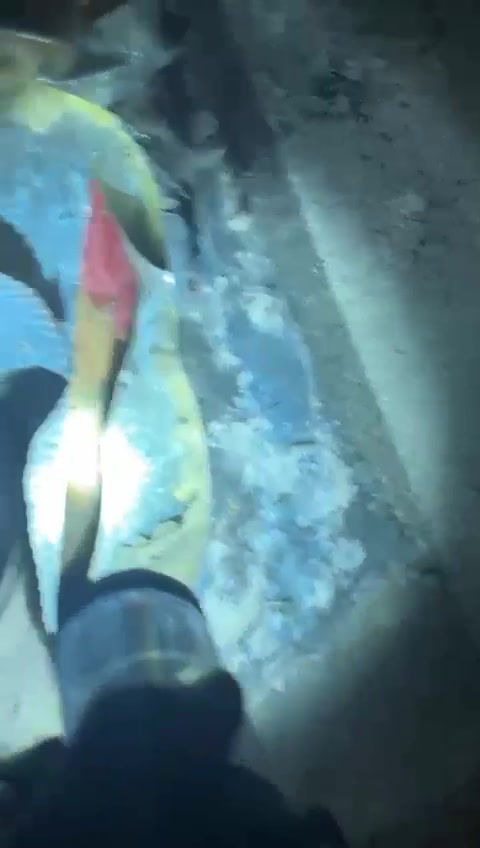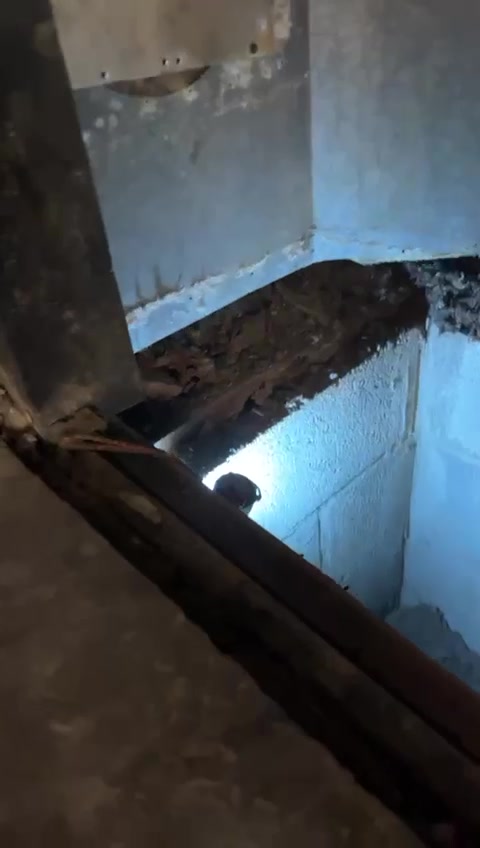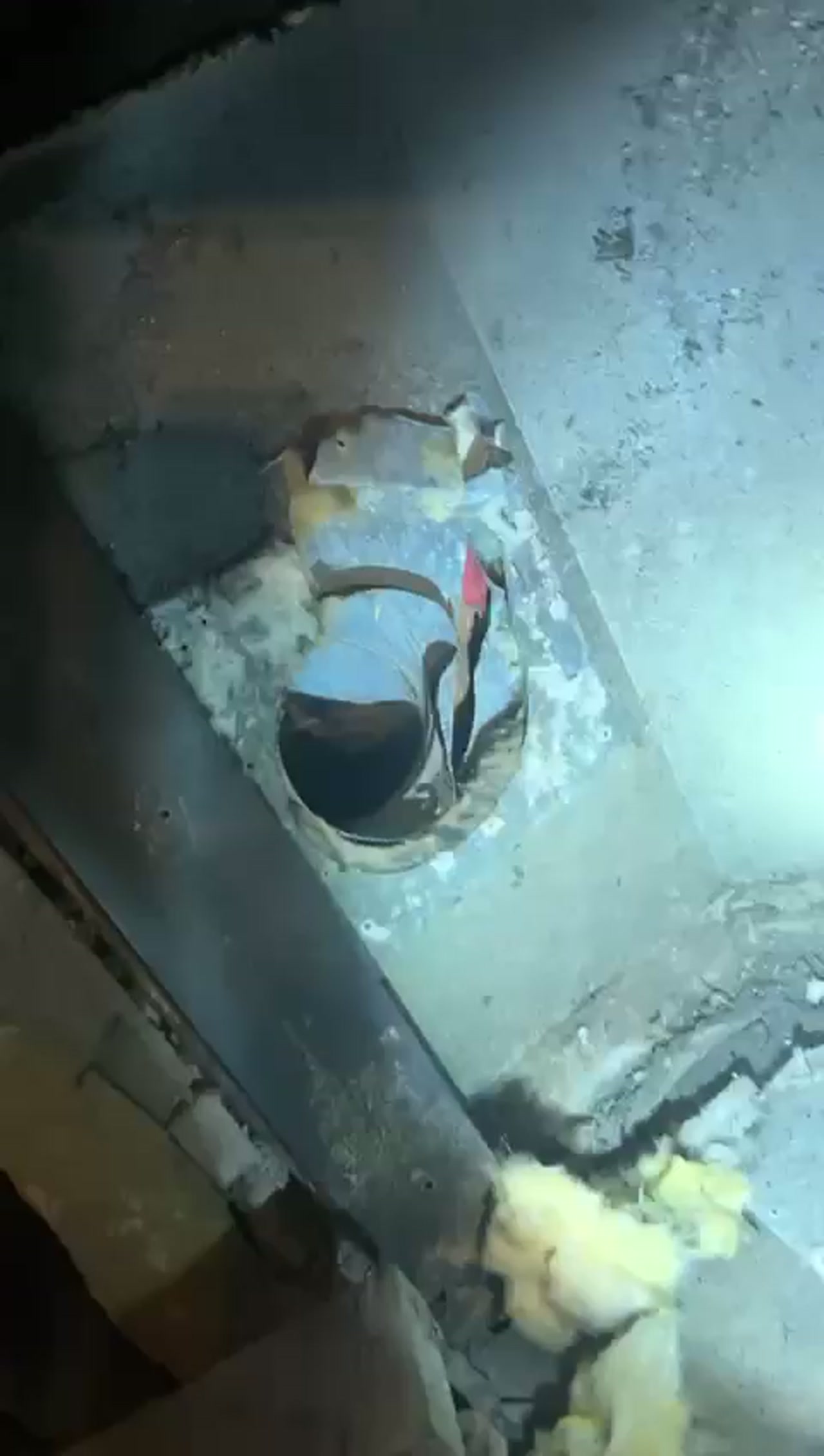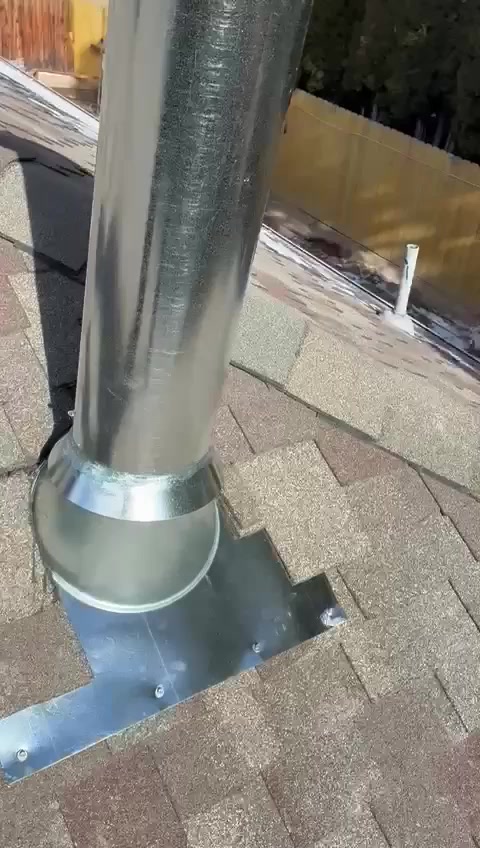
A homeowner asked us a fair question. The chimney looked fine from the living room, so why did anything need checking? The honest answer is that you cannot judge a chimney by what you see from the firebox. You can shine the brightest flashlight up that opening and still miss the things that matter, because the real story lives higher up inside the flue, past the smoke chamber, where your eyes simply do not reach. So we did the only thing that tells the truth. We ran a video probe down the full length of this masonry chimney and watched the interior on a live feed, joint by joint, tile by tile, every inch of the flue wall.
| Service | Camera-assisted interior chimney inspection at Level 2. |
|---|---|
| Property type | Single-family home with a masonry chimney and clay tile flue. |
| Location | Denver metro / Front Range |
| Scope | Full interior flue inspection from the firebox up through the smoke chamber to the top, with a written report. |
| Equipment | High-resolution chimney video probe on a guided rod with a live monitor feed. |
| Result | A documented, top-to-bottom picture of the flue condition and a clear answer on what comes next. |
Why a flashlight is not enough
From the firebox you can see the damper and maybe the first foot or two of the smoke chamber, and that is the end of it. Everything that actually decides whether a chimney is safe to burn sits above that point, out of sight. Cracked tiles, gaps where mortar has fallen out, heavy glazed creosote baked onto the walls, soft spots, hidden damage from old heat or water, all of it lives up inside the flue where no flashlight reaches. People assume a chimney is fine because the fireplace looks clean and the room smells right. We have learned not to assume anything we have not seen. A masonry flue can look perfect at the bottom and be coming apart twenty feet up. That gap between what you can see and what is really there is exactly why we put a camera in the chimney instead of guessing from the hearth.
Sending the camera down
We fed a high-resolution video probe down the chimney on a guided rod and ran it the full length of the flue, from the top all the way to the smoke chamber and firebox. As it traveled, the live feed came up on a monitor where we could both watch it together in real time. There is no interpreting or imagining involved. The camera shows the flue the way it really is. We moved slowly past every clay tile and every mortar joint, stopping wherever something deserved a second look, panning the head to read the full circle of the wall rather than one narrow strip. We checked the corners, the offsets where the flue changes direction, and the transitions where most trouble tends to hide. A camera is patient in a way a flashlight cannot be. It goes where a person cannot fit and it lingers until we are satisfied we have seen everything there is to see.
I have swept chimneys since 2001, and I still will not guess at a flue I have not seen on camera. The firebox tells you almost nothing. The flue tells you the truth.
- Adam, Owner, Adam Chimney Sweep
What the camera showed us
The first thing the camera revealed was the soot and creosote buildup coating the interior walls, and how much of it there was. That buildup is not just dirt. It tells us how the chimney has been burning and whether it is carrying a fire hazard up the flue. We could see where the deposit was light and brushable and where it had turned into the hard, shiny glaze that a normal sweep will not touch. Past the buildup, the camera showed the true condition of the interior walls themselves. We read every joint for missing mortar, scanned each tile for cracks and spalling, and watched for any gap that could let heat or combustion gas reach the masonry behind the liner. That detail is what decides everything. It is the difference between a chimney that needs a straightforward sweep and one that needs real attention before another fire is ever lit in it.
Sweep, or something more
Once we had seen the whole flue, the decision was simple, because it was based on what was actually up there and not on a guess. If the walls are sound and the only issue is buildup, the answer is a thorough sweep and the chimney is back in service. If the camera shows cracked tiles, open joints, or glaze that a brush cannot remove, then a sweep alone would be papering over a real problem, and we say so plainly. That honesty is the whole point of doing it this way. We would rather tell a homeowner the truth they need than the answer they hoped for. On this job the camera gave us a clear verdict on the condition of the flue, and from there the path forward, whether that meant cleaning, repair, or a closer look at the liner, was easy to explain and easy to stand behind.
We put the camera up there so the homeowner sees what we see. No mystery, no sales pitch. You watch the same live feed we do and you decide with real information in front of you.
- Adam, Owner, Adam Chimney Sweep
Putting it in writing
Everything the camera sees becomes part of the written report. That is not paperwork for its own sake. It is proof. A homeowner gets a clear, honest record of the condition of their chimney, in plain language, so they know exactly what they own and what it needs. If the house is being sold, that same report answers the buyer's questions before they have to ask them, and it keeps a chimney from becoming a last-minute surprise at closing. If there is an insurance claim, the documented condition of the flue is the kind of evidence that settles a question instead of starting an argument. We write down what we found, where we found it, and what we recommend, so the value of the inspection does not walk out the door with us. The record stays with the home and keeps being useful long after we have packed up.
A camera inspection is the honest way to know what is really going on inside a chimney, and it is the foundation of every good chimney inspection we do. Once we have seen the flue, we can tell you plainly whether it needs a sweep, a repair, or a new liner, and we can put it all in writing for your records, your home sale, or your insurance. If your tiles are cracked or your liner has failed, our chimney lining work brings the flue back to safe, code-ready condition. If you have not had eyes inside your chimney in years, reach out and we will give you a free quote.