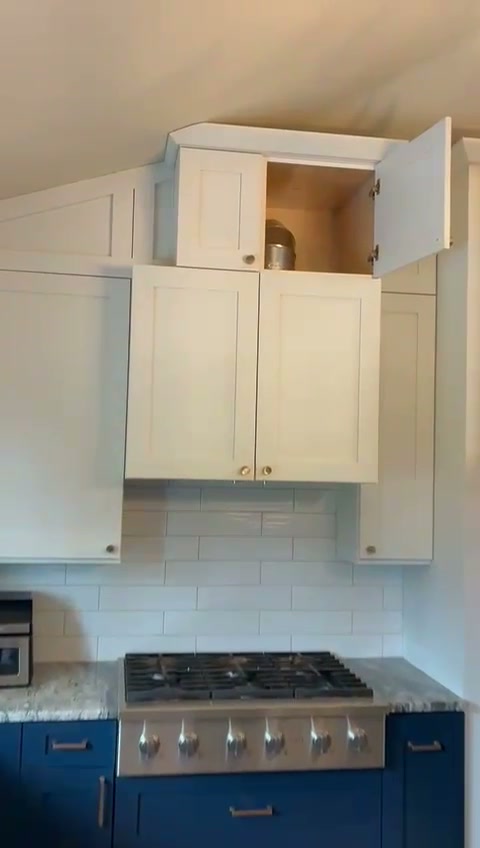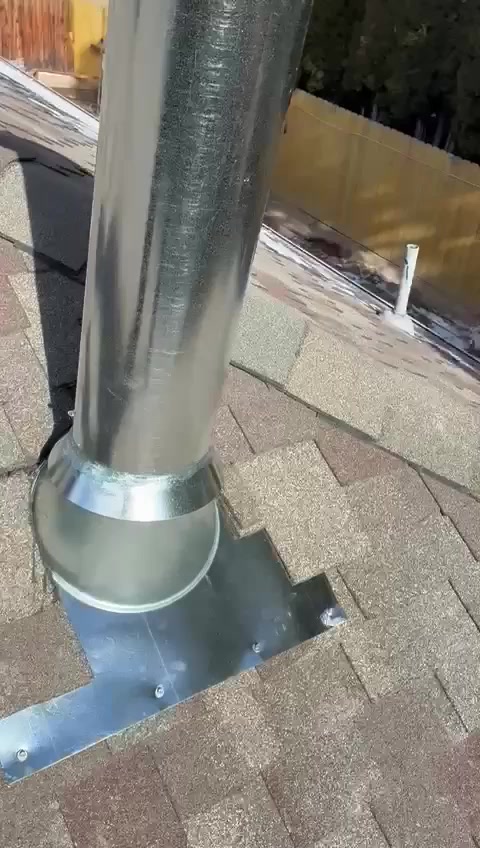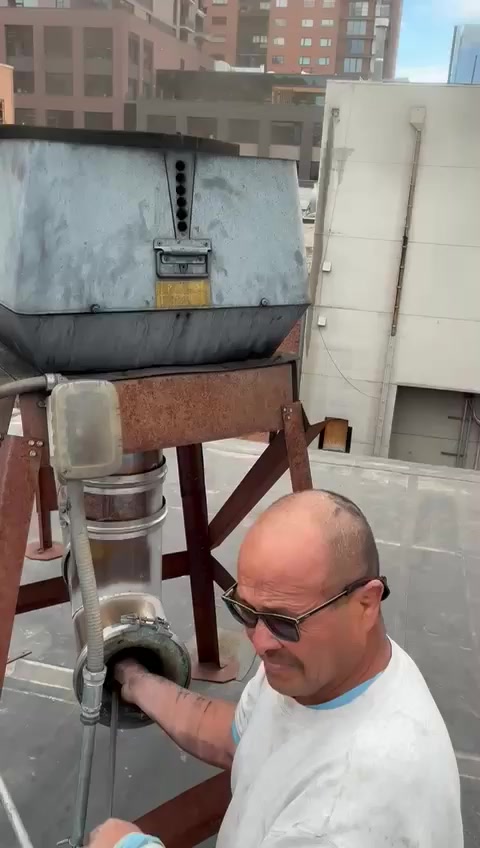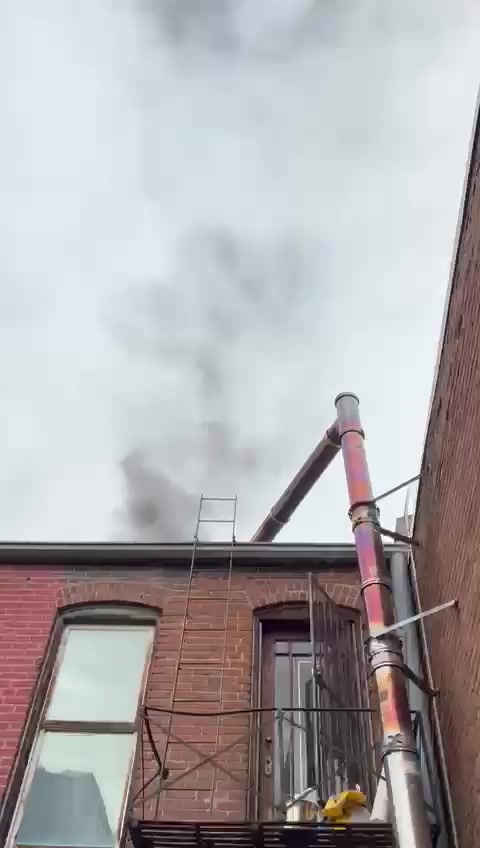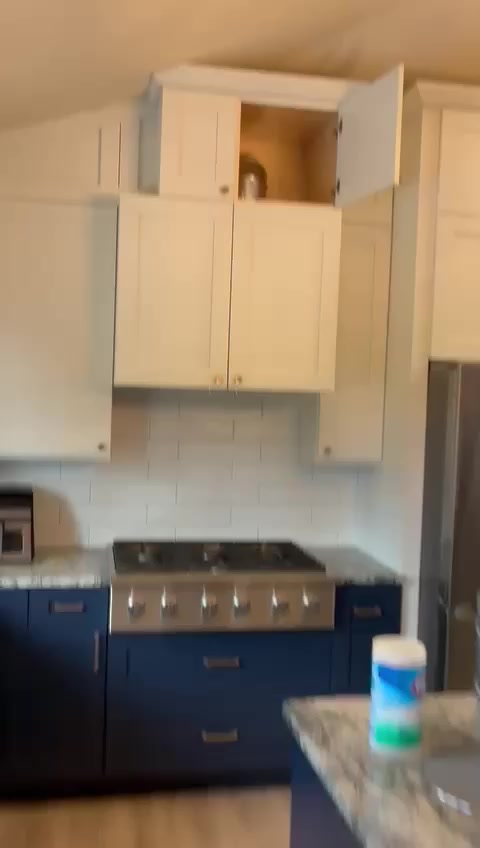
A homeowner called us about a new gas range that was filling the kitchen with smoke and steam every time they cooked. The old vent went nowhere useful, so heat, grease, and moisture just hung in the room and settled on the cabinets. We came out, looked at the range hood, looked at the wall, and laid out a plan to vent it right. That means sizing the duct to the hood, running the shortest straightest rigid path we can to the outside, and finishing at a real exterior cap with a back-draft damper. Done correctly, the kitchen stays clear and the wall cavity stays dry. Here is how the job went.
| Service | Kitchen gas range vent and duct installation |
|---|---|
| Property type | Single-family home kitchen |
| Location | Denver metro / Front Range |
| Scope | Sized the duct to the hood, ran a short rigid route, and capped it outside with a back-draft damper |
| Equipment | Rigid metal duct, matched transition, exterior wall cap with damper |
| Result | Smoke and steam clear the room fast and cold air stays out of the wall |
Sizing the duct to the range hood
The first thing we do is read the hood, not guess at it. Every range hood is built to move a certain amount of air, and it has a duct outlet sized to match that airflow. If you neck that down to a smaller pipe to make it fit easier, you choke the fan and the hood can no longer pull the smoke and grease off the cooktop. On this job we measured the hood outlet and ran the same size all the way out. Where the round duct met the hood collar, we used a clean transition so air moves through it without slamming into a step or a crushed seam. We also looked at how much the fan was rated to push so the run we planned would not starve it. Get the sizing right at the start and the rest of the system actually does its job. Skip it and you have a quiet fan that pretends to work while your kitchen fills up anyway.
Planning the shortest straightest route outside
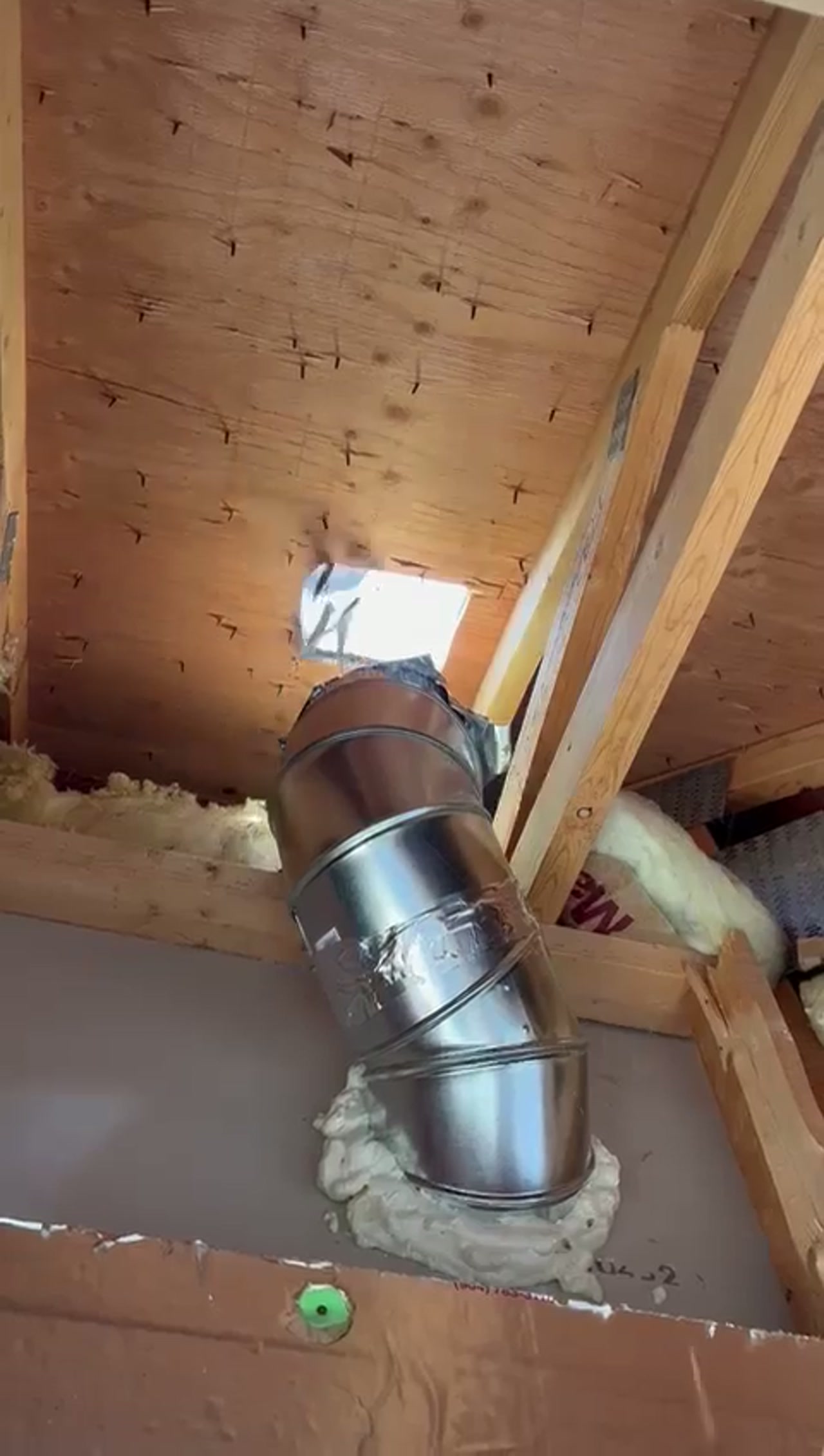
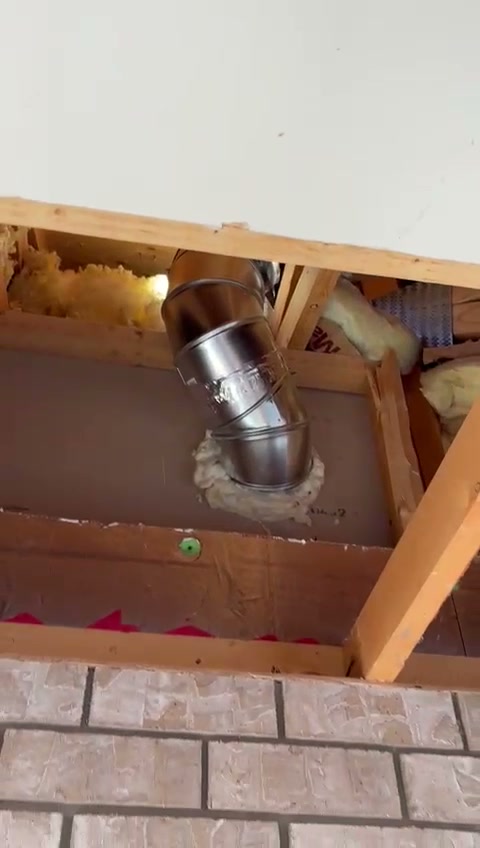
Once the duct is sized, the route is where a vent is won or lost. Every elbow you add and every foot of flexible duct you run steals airflow, because the air has to fight the bend or drag along that ribbed inner wall. So we stood in the kitchen and figured out the most direct path from the hood to an outside wall, with as few turns as we could manage. On this house that meant going up and straight out through the side wall instead of taking the long way around through a bunch of joists. We used rigid metal pipe for the whole run because it is smooth inside, holds its shape, and does not sag and trap grease the way long stretches of flex do. Where we had to turn, we kept the elbows wide and few. A short clean run means the fan you already paid for can actually breathe and move the kitchen air out the first time.
We tell folks the fan is only half the system. If the duct is the wrong size or the run is full of turns, that fancy hood is just making noise while your kitchen fills up.
- Adam, Owner, Adam Chimney Sweep
Why rigid duct beats long flex runs
People ask us why we do not just snake a length of flex from the hood to the wall and call it a day. It would be faster, but it would not work as well, and we would rather do it once and do it right. Flexible duct has a ribbed inside, and every one of those ridges is a little speed bump that drags on the airflow and grabs grease as it goes by. Run a long piece of it and it sags between supports, and now you have a low spot where grease and moisture pool and sit. Rigid metal is the opposite. It is smooth on the inside so air slides through, it holds a straight line so nothing puddles, and it cleans up far better over the years. On this kitchen we ran solid pipe for the full path and only used a short matched piece at the hood connection where a little give was needed. The result moves more air and gives the grease nowhere to hide.
Terminating outside with a back-draft damper
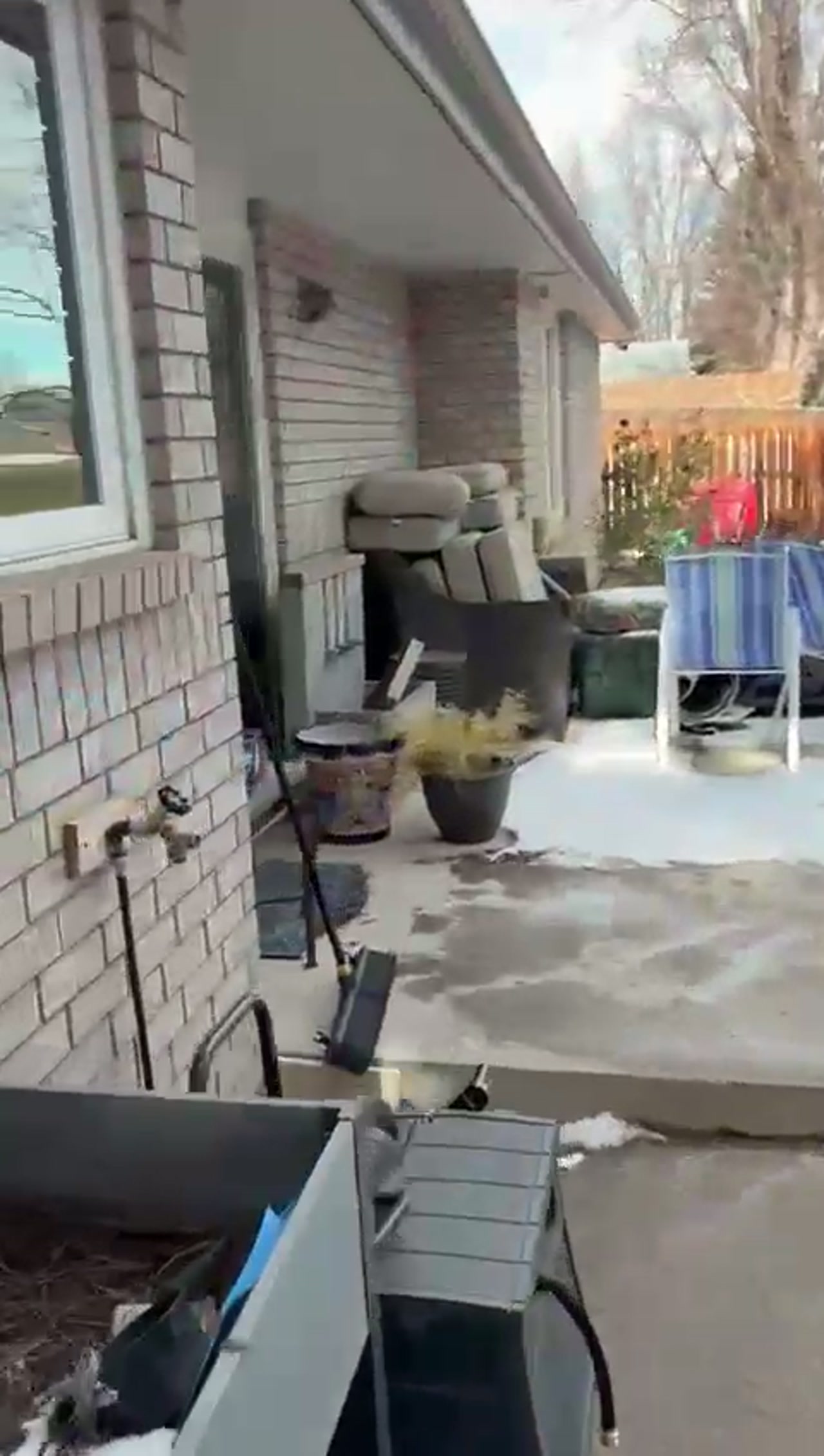
A vent is only as good as where it ends, and a lot of the trouble we get called about starts at a bad termination. You cannot just leave the pipe open at the wall and hope for the best. We finished this run with a proper exterior wall cap that has a back-draft damper built in. When the fan runs, the damper swings open and lets the kitchen air, grease, and steam blow straight outside where it belongs. When the fan is off, the damper falls shut. That part matters a lot here on the Front Range, because without it the cold Colorado wind would come right back down the duct into the kitchen, and the cooktop area would feel drafty all winter. The cap also keeps the weather, the bugs, and the critters out of the open pipe. We sealed the cap to the siding so water runs off the wall and not into it, which keeps the cavity dry.
I would rather run rigid pipe the short way one time than snake flex the easy way and get called back. Smooth pipe and a good cap outside is what actually keeps a kitchen clear.
- Adam, Owner, Adam Chimney Sweep
Keeping grease and moisture out of the wall
The whole reason you vent a range to the outside, instead of into the attic or just back into the room with a recirculating filter, is to get the grease and the water vapor out of the house entirely. When you cook on a gas range you make a surprising amount of moisture, and that warm wet air will find any cold surface and condense on it. If a duct dumps into a wall cavity or an attic, that moisture soaks the framing and the insulation, and over time you get the kind of damage nobody wants to find. Grease is the other half of it. Vent it outside and the grease leaves with the air instead of coating the inside of your walls. On this job, by sealing the duct joints, sloping the run so nothing pools, and carrying everything out through a sealed exterior cap, we made sure the kitchen air has one clean path out and the wall behind it stays dry and protected for the long haul.
This is the kind of work we handle every day under our vent and duct services. A range hood is only as good as the duct behind it and the cap at the end of it, and we treat the whole path as one system from the hood to the wall. If your kitchen holds onto smoke and steam, if the fan runs loud but nothing seems to leave the room, or if you are putting in a new range and want it vented right the first time, we are glad to come take a look. We will size it, plan the straightest route we can, and finish it outside with a damper that keeps the cold air out. Reach out for a free quote.