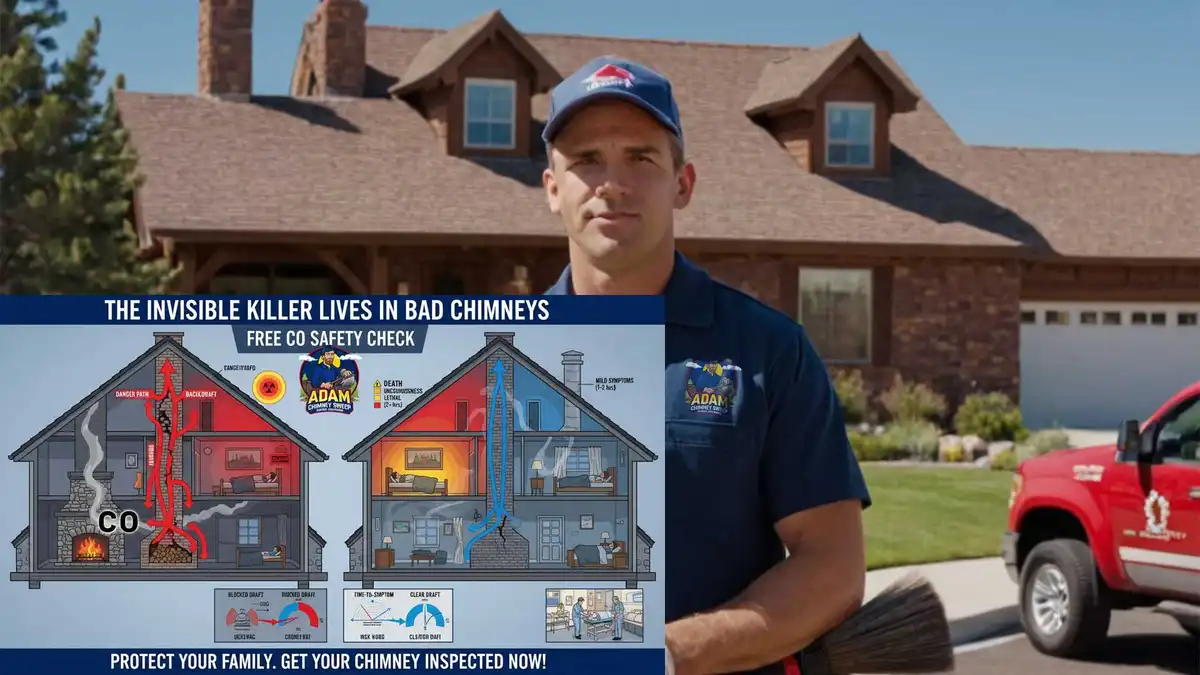
Hey there, I'm Adam, and I've been doing chimney work out in Strasburg for years now. The first time I drove out to this town off I-70, what stuck with me was how many homes here lean on a real fire to get through winter, wood stoves, open fireplaces, the works. Makes sense when you think about it. Cold Colorado nights, rural setting, and a furnace that sometimes just isn't enough. Folks here count on their chimneys, and I take that seriously.
 Hey there, I'm Adam, and I've been doing chimney work out in Strasburg for years now. The first time I drove out to this town off I-70, what stuck with me was how many homes here lean on a real fire to get through winter, wood stoves, open fireplaces, the works. Makes sense when you think about it. Cold Colorado nights, rural setting, and a furnace that sometimes just isn't enough. Folks here count on their chimneys, and I take that seriously.
Here's something I've picked up about Strasburg homes: they're built tough, but the chimneys still need a regular look. Doesn't matter if you're in one of those older places near the Strasburg School or out by the water tower on Monroe Street, your chimney puts in a hard shift every winter. And when it stops doing its job right? That's usually when my phone rings. Give me a call at (720) 207-9232 and I'll come take a look.
Why Strasburg Homeowners Shouldn't Ignore Chimney Services
Good chimney services in Strasburg aren't a luxury, they're the thing standing between a cozy winter and a house fire. Living out here means you get the full Colorado experience, those bone-cold nights when it drops below zero and the fireplace is the only thing keeping the family warm. But a chimney isn't just a hole in your roof. It's a system. It handles extreme heat, creosote (that's the tar-like gunk wood smoke leaves behind), moisture, and a fair bit of structural stress year after year.
I've crawled around chimneys in Strasburg that went up back in the '70s and '80s, when the town was first spreading out. Plenty of them have never had a proper cleaning or inspection in their life. That's a problem waiting to happen. The National Fire Protection Association says chimneys should be inspected at least once a year, and that's not red tape, it's about your family not breathing carbon monoxide or waking up to smoke. The folks over at the Chimney Safety Institute of America say the same thing, and they've got the data to back it up.
 I've crawled around chimneys in Strasburg that went up back in the '70s and '80s, when the town was first spreading out. Plenty of them have never had a proper cleaning or inspection in their life. That's a problem waiting to happen. The National Fire Protection Association says chimneys should be inspected at least once a year, and that's not red tape, it's about your family not breathing carbon monoxide or waking up to smoke. The folks over at the
 Most of the bad chimney fires I've seen in Strasburg traced back to one thing, a flue that hadn't been swept in five or six years. Creosote builds up quiet and slow, and then one cold night it lights off. A yearly cleaning would've caught every single one of them.
- Adam, Owner, Adam Chimney Sweep
Our Complete Service Menu for Strasburg Residents
Chimney Sweeping and Inspection
This is where everything starts. My inspection and cleaning service begins at $199, and honestly, it's the best money you'll spend on home upkeep all year. Here's what I actually do during a standard visit:
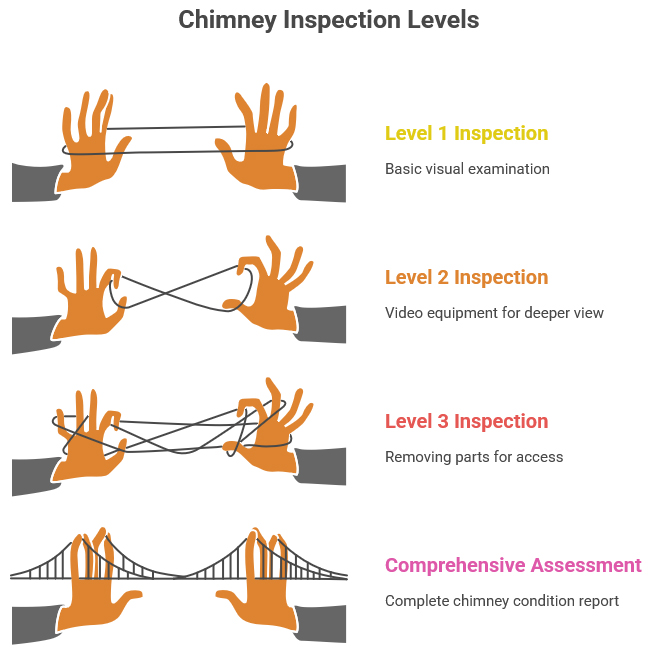
Level 1 Inspection (included in the $199 base service):
- Visual examination of the readily accessible parts
- Check the chimney structure from the roof down to the firebox
- Assess the flue condition (that's the interior passageway where smoke travels)
- Inspect the damper operation
- Examine the firebox for cracks or damage
- Review the chimney cap and crown condition
Level 2 Inspection (when we need to go deeper): This one's required when you're selling your home, after a chimney fire, or after an earthquake or severe weather. I bring out video equipment to look inside the flue where the naked eye just can't reach.
Level 3 Inspection (the big one): This means removing parts of the chimney or building to get at areas that aren't normally visible. I only suggest it when I've got good reason to think something serious is hiding.
| Service Type | Starting Price | What's Included | Estimated Time |
|---|---|---|---|
| Standard Sweep & Level 1 Inspection | $199 | Visual inspection, creosote removal, basic cleaning, operational check | 1-2 hours |
| Level 2 Inspection | $350-$500 | Everything in Level 1 plus video scanning, detailed report | 2-3 hours |
| Level 3 Inspection | $800-$1,500+ | Invasive inspection with structural access | 4-8 hours |
| Emergency Same-Day Service | Add $100 | Priority scheduling within 24 hours | Varies |
Want to see what a full repair-and-clean visit actually looks like? Here's one of my crews working a Denver job from start to finish.
Chimney Repair Services
This is where it gets specific to your chimney's condition. I've worked on hundreds of them around Strasburg, and no two are the same. Here's how I think about repair costs:
Masonry Repairs:
When your bricks start crumbling or the mortar joints give out (we call that spalling and deterioration), it's not just an eyesore, it's structural. Water sneaks into those cracks, freezes overnight, expands, and pries everything further apart. By next spring it's worse than it was.
| Repair Type | Cost Range | Labor Time | Materials Cost |
|---|---|---|---|
| Minor crack repair (under 6 inches) | $400-$800 | 2-3 hours | $100-$200 |
| Brick replacement (per brick) | $10-$16 per sq ft | Varies | $3-$5 per brick |
| Major structural repair | $1,000-$5,000+ | 1-3 days | $300-$1,500 |
| Repointing (tuckpointing) | $4-$8 per linear foot | Depends on height | $2-$3 per sq ft |
Flue Liner Repairs:
The flue liner is critical, it's what keeps heat and combustion gases off your home's wood framing. If it's cracked or gapped, you've got a real safety problem on your hands. I pick the material based on your setup:
| Liner Type | Installation Cost | Lifespan | Best For |
|---|---|---|---|
| Stainless steel | $2,500-$7,500 | 15-20 years | Gas and wood-burning |
| Aluminum | $1,500-$5,000 | 10-15 years | Gas only (lower temps) |
| Clay tile replacement | $1,000-$3,000 | 50+ years | Wood-burning traditional |
| Cast-in-place | $3,000-$8,000 | 50+ years | Irregular-shaped flues |
If you think your liner might be on its way out, don't sit on it. A quick chimney inspection with my camera will tell us for sure, and it beats guessing.
Firebox Services
The firebox is where the action happens, the chamber where you actually burn your wood or gas logs. I find a lot of cracked fireboxes around Strasburg, especially in homes that burn wood hard all winter without anyone ever checking on them.
Common Firebox Issues:
- Cracked refractory panels (the heat-resistant panels lining the firebox)
- Deteriorated mortar joints
- Damaged hearth extensions
- Broken or missing grates
| Firebox Service | Cost Range | Description |
|---|---|---|
| Refractory panel replacement | $180-$250 per panel | Usually 4-6 panels per firebox |
| Complete firebox rebuild | $1,000-$3,500 | Necessary for severe damage |
| Hearth repair | $500-$1,500 | Depends on the extent of damage |
| Minor crack sealing | $300-$800 | For small structural issues |
Brick Tuck Pointing Services
This one's a specialty of mine. Tuck pointing (also called repointing) means digging out the old, crumbling mortar between your bricks and packing in fresh mortar. In Strasburg's climate, with the freeze-thaw swings we get every spring and fall, mortar wears out faster than most people expect.
Why Tuck Pointing Matters:
Once the mortar joints fail, water gets in, and that's the start of real trouble. The moisture freezes, pops the brick face right off (that's spalling again), and keeps eating away. I've had to rebuild entire chimneys because somebody let bad mortar slide for one winter too many. Catch it early and it's a cheap fix.
People in Strasburg always ask me why their mortar's failing faster than their buddy's place in town. It's the wind and the freeze-thaw out here off the I-70 corridor. Water gets into a hairline joint, freezes overnight, and that little crack doubles by morning. Repointing on time is the cheapest insurance there is.
- Adam, Owner, Adam Chimney Sweep
The Process I Follow:
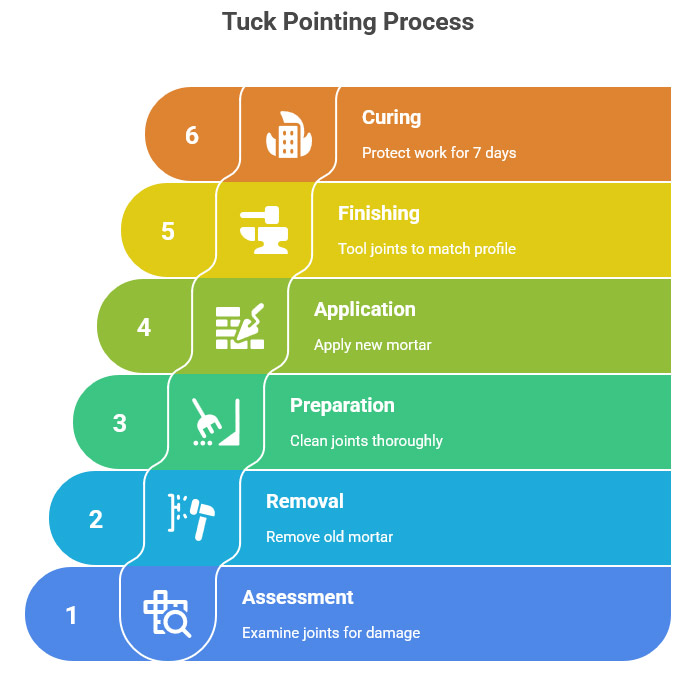
- Assessment: I go over every joint, hunting for cracks, gaps, or missing mortar
- Removal: With the right tools, I take out old mortar to a depth of about 3/4 inch (that's what the building code calls for)
- Preparation: Clean the joints out completely, no dust, no debris
- Application: Pack in new mortar that matches the original in both strength and color
- Finishing: Tool the joints so they match the existing profile
- Curing: Protect the work while it sets up (usually about 7 days)
Labor Costs and What Drives Them
Let me be straight about labor, because it trips a lot of folks up. I charge $100-$125 per hour for standard work, which is right in line with what licensed chimney pros run in the Denver metro area (and yes, Strasburg's part of that market).
What moves my labor rate up or down:
- Height and accessibility, A single-story ranch is quick. A two-story with a steep roof pitch eats more time and needs more safety gear.
- Weather conditions, I can't tuck point in freezing weather or rain. Mortar won't cure right, and I won't do work I'd have to come back and redo.
- Scope of work, Cleaning is simple. Rebuilding a crown while I'm balanced on a ladder takes more skill and more hours.
- Time of year, I'm slammed in the fall when everybody remembers they own a fireplace. Spring and summer usually have better openings, so book then if you can.
Typical Time Estimates:
| Service | Time Range | Why It Takes This Long |
|---|---|---|
| Standard cleaning | 1-2 hours | Includes setup, cleaning, inspection, and documentation |
| Chimney cap installation | 1-2 hours | Measuring, securing, sealing |
| Crown repair | 3-6 hours | Material prep, application, finishing, and initial cure time |
| Flue liner installation | 6-12 hours | Depending on chimney height and access |
| Full masonry repair | 2-5 days | Drying time between stages is critical |
Additional Costs You Should Know About
I'd rather you hear it all upfront, so here's a rundown of the other costs that can come into play:
Materials and Equipment
| Item | Cost | When You Need It |
|---|---|---|
| Chimney cap (standard) | $150-$300 | If yours is damaged or missing |
| Chimney cap (custom/copper) | $400-$800 | For special applications or aesthetics |
| Stainless steel screws/brackets | $50-$100 | Cap installation |
| High-temp sealant | $25-$50 per tube | Various sealing applications |
| Refractory cement | $30-$60 per bag | Firebox repairs |
| Type N mortar | $15-$25 per bag | Tuck pointing work |
| Chimney crown coating | $100-$200 | Crown protection/waterproofing |
Permits and Inspection Fees
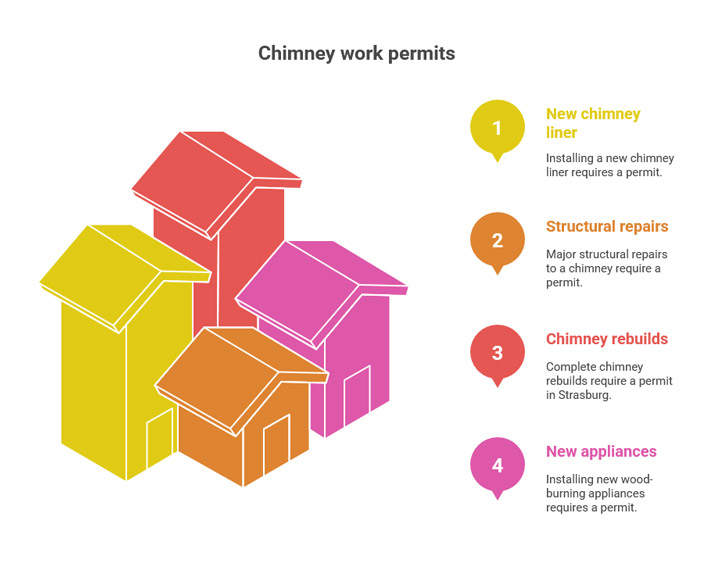
Here's something most people never think about: depending on the job, you might need a permit. Under the Denver Building and Fire Code, which covers the Strasburg area, certain chimney work has to be permitted:
When You Need a Permit:
- Installing a new chimney liner
- Major structural repairs
- Complete chimney rebuilds
- Installing new wood-burning appliances
Permit Costs in the Strasburg Area:
- Standard chimney repair permit: $50-$150
- New installation permit: $100-$300
- Inspection fees: $75-$200
I handle all the permit paperwork for my clients, that's just part of the deal, but these are fees you'll want to budget for so nothing catches you off guard.
Chimney Crown and Cap Services
These two parts protect the top of your chimney from the weather, and people mix them up all the time, so let me sort it out.
Chimney Cap, The metal cover sitting on top of the flue opening. It keeps rain, snow, birds, and critters out. A good cap has mesh sides and a solid top.
Chimney Crown, The cement or mortar surface covering the top of the chimney structure itself, sloped so it sheds water away from the flue instead of letting it pool.
Crown Repair Costs
| Crown Service | Price Range | Details |
|---|---|---|
| Minor crack sealing | $300-$600 | For cracks under 1/4 inch |
| Crown resurfacing | $800-$1,500 | New coating over existing crown |
| Complete crown rebuild | $1,200-$2,500 | When structural integrity is compromised |
| Waterproofing treatment | $200-$400 | Protective coating application |
Cap Installation and Replacement
| Cap Type | Cost Range | Best For |
|---|---|---|
| Basic galvanized steel | $150-$250 | Budget-friendly option (10-15 year lifespan) |
| Stainless steel | $200-$400 | Best value (20-30 year lifespan) |
| Copper | $400-$800 | Premium aesthetics (50+ year lifespan) |
| Custom multi-flue | $500-$1,200 | Chimneys with multiple flue openings |
Chimney Lining Solutions
The chimney liner is probably the single most important safety piece in the whole system. It keeps your home's combustible framing away from the heat, and it stops carbon monoxide from leaking into the rooms where your family sleeps.
Signs You Need a New Liner:
- Cracked or broken clay tiles (my video camera spots these fast)
- Missing mortar joints between the tiles
- Creosote buildup that just won't come off
- Switching from oil to gas (different liner requirements)
- A home inspection that flagged liner problems
Liner Installation Breakdown
| Liner Material | Cost Range | Installation Time | Warranty Period |
|---|---|---|---|
| Rigid stainless steel | $3,000-$5,000 | 6-8 hours | 15-20 years |
| Flexible stainless steel | $2,500-$4,500 | 4-6 hours | 15-20 years |
| Aluminum (gas only) | $1,800-$3,500 | 4-6 hours | 10-15 years |
| Cast-in-place | $4,000-$8,000 | 8-12 hours | 50 years |
What's Included in My Liner Installation:
- Complete old liner removal (if it's needed)
- New liner sized right for your appliance
- Top and bottom connection hardware
- Insulation wrap (when code requires it)
- New cap to fit the liner
- All the permits and inspections
What Makes Our Service Different
Look, I'm not going to pretend I'm the cheapest chimney guy in the Denver metro area. I'm not. But here's what you actually get when you call me:
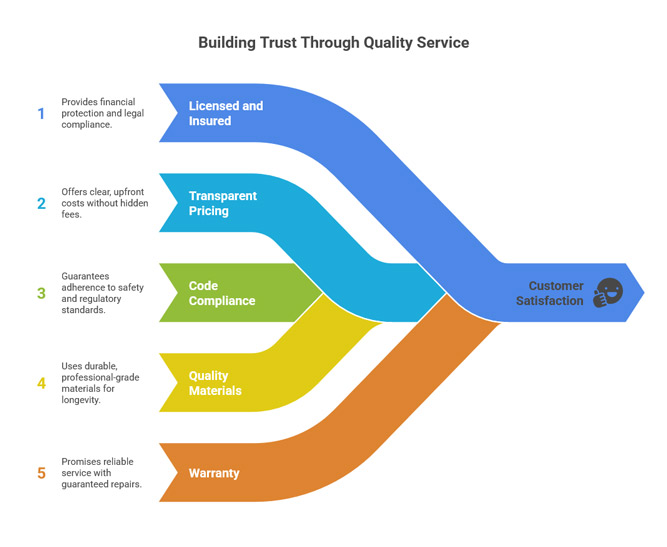
1. Licensed and Insured I carry full liability insurance and workers' comp. If something goes sideways on the job, you're covered.
2. Transparent Pricing You get a detailed written estimate before I lift a finger. No surprises at the end.
3. Code Compliance Every job meets or beats current building and fire codes. I pull permits when they're needed and handle the inspections myself.
4. Quality Materials I don't cut corners on materials. What I install is professional-grade, not whatever was on sale at the big-box store.
5. Warranty: My work comes with a guarantee. If something I did fails inside the warranty window, I come back and make it right.
When you hire me for chimney work in Strasburg, you're getting the same guy on the roof and on the phone. I live and work in this metro, so if a repair I did acts up two winters from now, you know exactly who to call, and I'll actually pick up.
- Adam, Owner, Adam Chimney Sweep
Frequently Asked Questions from Strasburg Customers
Q: How often should I have my chimney cleaned?
The National Fire Protection Association recommends an inspection every year. How often it needs cleaning depends on how hard you use it. If you burn wood a lot (more than 50 fires a season), get it cleaned annually. Gas fireplaces need less cleaning but still want that yearly inspection.
Q: Can I sweep the chimney myself?
Technically, sure, no law against it. But here's the catch. A professional sweep like me has the right equipment, the training to spot problems you'd walk right past, and insurance if something goes wrong up there. I've followed behind DIY jobs that missed cracked tiles or left half the creosote in place. Is saving $200 worth missing the one thing that could burn your house down?
Q: What's that smell coming from my fireplace in the summer?
That's usually creosote mixing with humidity. Creosote has a sharp, nasty odor that gets stronger when the air's damp. The fix is a good cleaning, and often a chimney cap to keep moisture out in the first place. Sometimes I'll also put a chimney deodorizer down the flue to knock out what's left.
Q: How do I know if I need a new chimney liner?
I run a video camera up the flue and look. Cracked clay tiles, missing mortar, or a liner that's the wrong size for your current appliance all point to replacement. Same goes if you're switching fuel types, oil to gas, say, because that changes what the liner needs to handle.
Q: My chimney leaks when it rains. What's wrong?
Nine times out of ten in Strasburg, it's the crown or the cap. A cracked crown lets water sit and soak into the masonry, and a missing or rusted-out cap lets rain pour straight down the flue. I'll get up on the roof, find where it's getting in, and tell you whether it's a quick seal or a bigger crown repair before you've got water stains on the ceiling.
Why Local Experience Matters
I've worked Strasburg for years, and that local know-how counts for more than people figure. I know the older homes near Main Street usually have clay tile liners dating to the 1970s. I know the properties near the I-70 corridor get more wind-driven rain sneaking past weak chimney caps. I know which local suppliers actually have the materials I need the day I need them.
Call a big national chain and you might get somebody who's never set foot in Strasburg. They don't know the local building department's quirks, they don't know how houses around here were put together, and honestly they don't have much skin in the game, they're not going to run into you at the gas station next month.
Making Your Investment Last
Here's the plain truth about chimney upkeep: spending $199 to $400 a year on inspection and cleaning can save you thousands later. I've watched it happen too many times, a homeowner shrugs off a small problem, and a $300 fix turns into a $5,000 rebuild two winters down the road.
My Recommended Maintenance Schedule:
| When | What | Why |
|---|---|---|
| Every year | Inspection and cleaning | Catches small problems before they turn big |
| Every 3-5 years | Crown waterproofing | Keeps water out of the masonry |
| Every 5-10 years | Tuck pointing (as needed) | Holds the structure together |
| Every 15-20 years | Liner replacement (if required) | Keeps it operating safely |
| As needed | Cap replacement | When rust or damage shows up |
Understanding the Full Cost Picture
When I hand you an estimate, I break it down so you can see exactly what each dollar covers. Here's how a typical comprehensive job shakes out:
| Component | What It Is | Typical Cost |
|---|---|---|
| Base service call | My time to come out, assess, and write up an estimate | Included in service |
| Labor | My expertise and time on site | $100-125/hour |
| Materials | Everything from mortar to caps to liners | Varies by job |
| Equipment | Scaffolding, video inspection, specialized tools | Included in labor |
| Permit fees | Required permits and inspections | $50-300 |
| Warranty | Stand behind my work | Included |
| Cleanup | Leave your property clean | Included in labor |
Getting Started with Your Chimney Service
If you're in Strasburg and you've read this far, odds are your chimney's been on your mind. Maybe you've noticed smoke backing up into the room, maybe you're getting ahead of the coming winter, or maybe you're about to list your home and need an inspection on the books.
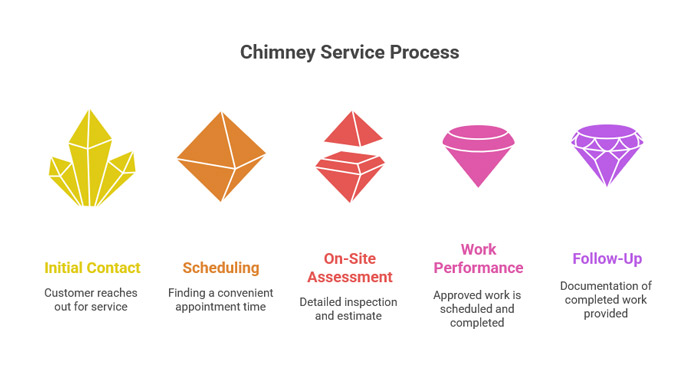
Here's how it goes when you reach out:
- Initial Contact: Call (720) 207-9232, email, or fill out the form on our contact page
- Scheduling: We find a time that fits your week
- On-Site Assessment: I come out, look the chimney over, and hand you a detailed written estimate
- Work Performance: Once you okay the estimate, we get the work on the calendar
- Follow-Up: After it's done, I give you documentation of everything performed
Remember, inspection and cleaning starts at just $199, a small price to keep your home and family safe. You can also browse all of our chimney services to see everything we handle across the Denver metro.
Essential Resources for Strasburg Homeowners
For official information on building codes, permits, and the rules that apply to chimney work around Strasburg, these sources are worth a look:
The Denver Building and Fire Code sets the baseline for construction and safety standards across the metro. You can dig into chimney construction requirements, clearances, and safety standards through the Denver Community Planning and Development website.
For fire safety specifics and how code compliance works on existing buildings, the Denver Fire Department's website keeps current information on inspection requirements and safety standards.
Since Strasburg sits across both Arapahoe and Adams counties, some residents will need to check with Arapahoe County's Building Division or Adams County's Building Department, depending on where exactly their property falls.
The International Fire Codes, which Denver adopts and tweaks, lay out the baseline rules for chimney upkeep and operation. Knowing these standards helps make sure any work done on your chimney clears the minimum safety bar, and good work clears it by a wide margin.
For permit questions tied to your specific property, I always say call your local building department straight up. They'll tell you whether a particular repair or install needs a permit in your jurisdiction. Or just call me at (720) 207-9232 and I'll walk you through it.