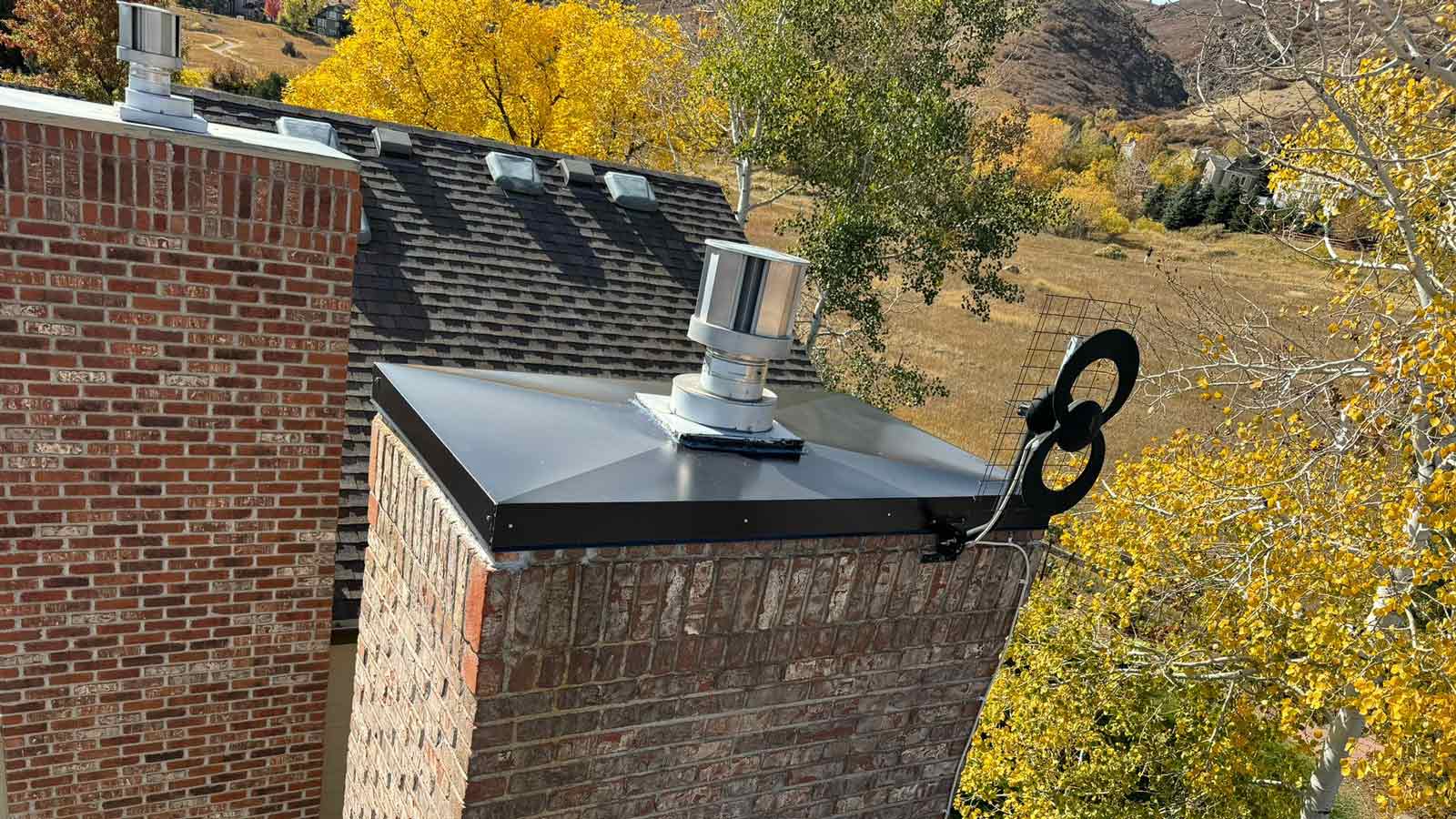
 Historic Trinidad, in Las Animas County near the New Mexico line, is full of beautiful older brick homes, and many of their chimneys are decades old.
Vintage masonry chimneys often need tuckpointing, crown rebuilds and new liners to keep burning safely, and southern Colorado's hot summers and cold winters keep working the brickwork loose.
Chimney and fireplace services in Trinidad, CO
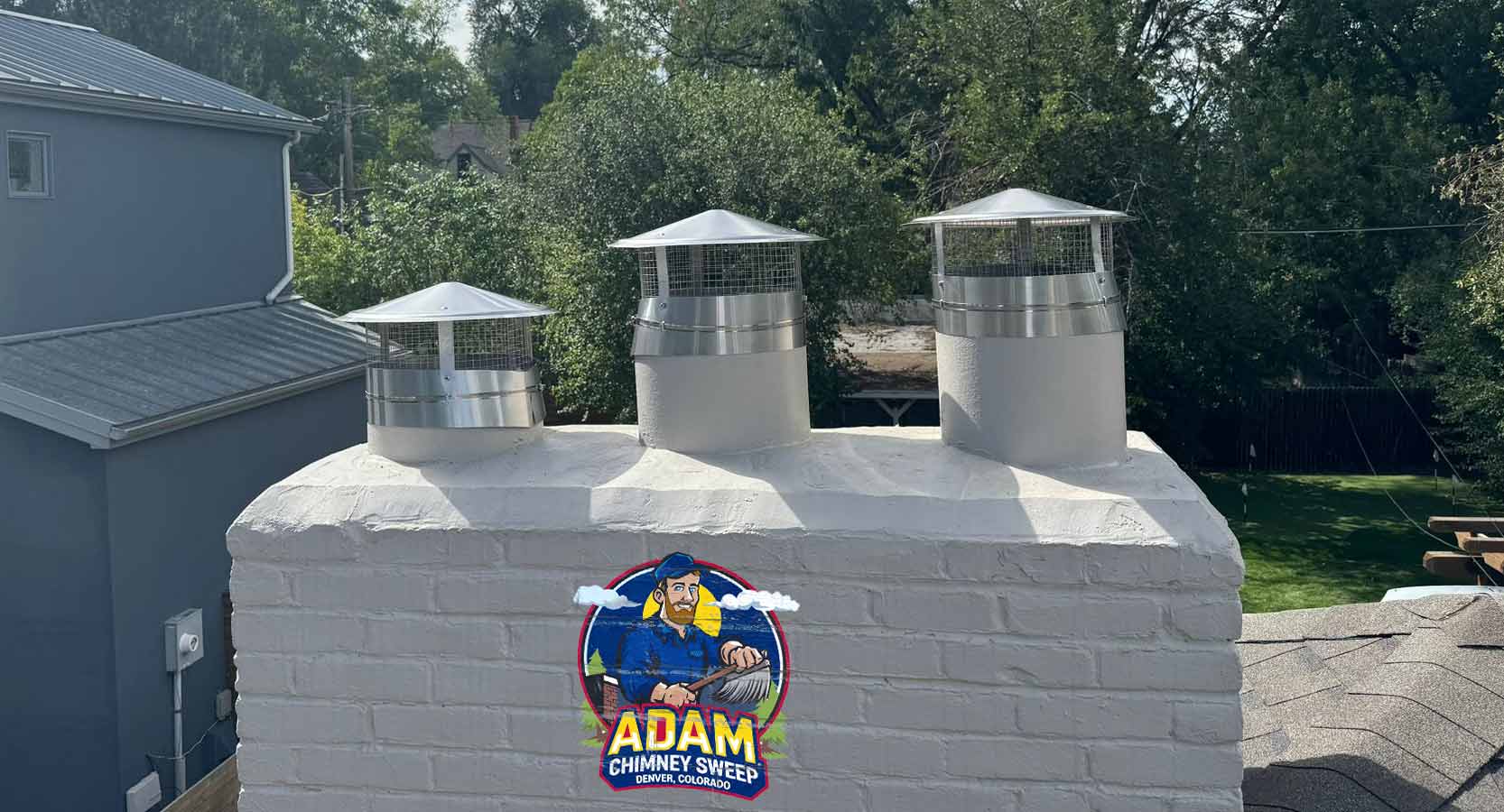
 Chimney and fireplace services in Trinidad, CO come down to one thing: keeping an old masonry stack safe to use through another hard southern Colorado winter. Adam Chimney Sweep is a family-owned crew that has protected Colorado homes since 2001. In Trinidad and across Las Animas County, we handle the full range of chimney and fireplace care:
- Chimney sweeping & cleaning — HEPA-vacuum sweeps that remove creosote and soot without the mess.
- Inspections — dual-camera inspections that catch cracks, blockages and code issues early.
- Repairs & tuckpointing — crown rebuilds, firebox repair and masonry repointing.
- Caps, crowns & liners — stainless caps and relining that keep weather, animals and sparks where they belong.
- Fireplace & insert installation — safe, code-compliant wood, gas and insert installs.
A lot of the houses around here were built when coal and wood were the only way to heat a room. The chimneys did their job for a hundred years, but the mortar that held them together has a shelf life, and most of it is well past due. We see the same story over and over: the brick still looks solid from the street, but up close the joints have gone soft and the crown on top has cracked clean through. None of that means you need to tear the chimney down. It usually means a day or two of focused work to bring it back.
I've worked on chimneys in Trinidad that are older than my grandfather, and the brick is often still good. It's the mortar joints and the crown that give out first. Fix those and that old stack will outlast the rest of the house.
- Adam, Owner, Adam Chimney Sweep
Why Trinidad homeowners choose Adam Chimney Sweep
Caring for historic masonry
We restore older chimneys with careful tuckpointing, crown and firebox repair, and stainless relining, so Trinidad's classic homes stay safe and keep the look that makes them worth owning. Working on a 1910 brick chimney is not the same job as patching something built last decade. The brick is softer, the original mortar was mixed with more lime, and if you repoint it with a hard modern mix you can crack the brick faces over the next few freeze-thaw cycles. We match the mortar to the masonry. That keeps the repair from doing more harm than the problem it fixed.
Las Animas County weather is rough on brick. You can get a 60-degree afternoon in February and a hard freeze that same night. Water soaks into a cracked joint during the day, freezes after dark, and pries the joint a little wider every time. Do that a few hundred times and a hairline crack turns into a gap you can slide a coin into. That's why we look at the whole exterior of the chimney, not just the flue, and why we seal and repoint before water gets the chance to take the wall apart.
One local crew, start to finish
When you call us you get the same people from the first look to the last sweep of the broom. We're not a call center that books a subcontractor you've never met. Adam runs the crew, and he's usually on the roof himself. For an old house in a historic neighborhood, that matters. You want someone who's going to treat the place carefully, lay down drop cloths, and clean up like they were never there.
Upfront pricing, no surprises
We quote the work before we start, and the number we give you is the number you pay. If we get up on the roof and find something we didn't expect, we stop and talk it through with you before doing anything extra. Nobody likes a bill that grew while they weren't looking, and you won't get one from us.
How a chimney visit works
If you've never had a chimney looked at, here's what a typical appointment in Trinidad looks like from start to finish:
- We talk first. You tell us how the fireplace has been acting — smoke pushing back into the room, a draft that won't catch, water stains on the ceiling near the chimney, or you just haven't had it checked in years.
- We inspect inside and out. We run a camera up the flue and walk the exterior masonry. The camera shows us creosote buildup, cracked tiles and gaps you'd never spot from the ground.
- We show you what we find. You see the footage and the photos. No guessing, no "trust me." If the crown is cracked, you'll see the crack.
- We give you a flat price. Sweep, repair, reline, new cap — whatever the chimney actually needs, with the cost laid out before we touch a thing.
- We do the work and clean up. HEPA vacuums keep the soot out of your house. When we leave, the only sign we were there is a chimney that's ready to use.
People think an inspection is just me poking a flashlight up the flue. It's not. I'm running a camera the whole length of that chimney so you can see the cracked tiles or the soft mortar with your own eyes. You shouldn't have to take my word for it.
- Adam, Owner, Adam Chimney Sweep
What tuckpointing actually fixes
Tuckpointing gets thrown around a lot, so here's the plain version. Over time the mortar between your bricks crumbles and washes out. Tuckpointing means grinding out the old, failing mortar to a clean depth and packing in fresh mortar that bonds tight. Done right, it locks the wall back together and shuts the door on water. On a Trinidad chimney that's been standing since the early 1900s, good repointing is often the single thing that keeps the whole stack from leaning or shedding brick.
The video below shows our crew doing exactly this kind of brick tuckpointing — grinding out the dead joints and packing in new mortar so the masonry sheds water again.
Tuckpointing isn't just cosmetic, even though it does make an old chimney look sharp again. Loose joints let water reach the inside of the masonry, and once water is sitting inside the wall, freeze-thaw takes over and the damage speeds up fast. Catch it while it's a few soft joints and it's a manageable repair. Let it run for another five winters and you may be rebuilding the top third of the chimney instead.
Warning signs your masonry needs attention
You don't need a ladder to spot most of these. Keep an eye out for:
- White, chalky stains on the brick (efflorescence). That's salt left behind by water moving through the masonry. It means moisture is getting in.
- Bits of mortar or brick on the roof or in the gutters. Spalling brick is a sign the freeze-thaw cycle is already winning.
- Gaps or missing chunks in the mortar joints. If you can fit a key into a joint, it's overdue for repointing.
- A cracked or crumbling crown. The concrete slab on top of the chimney is your first line of defense. Once it cracks, water runs straight down inside.
- Water stains on the ceiling or wall near the chimney. That's a leak, and it usually traces back to a bad crown, a missing cap, or failed flashing.
- A damper that's rusted or hard to move. Rust means water has been getting down the flue, often because the cap is missing or shot.
If you're seeing two or three of these, don't wait for the cold to set in. The repairs are smaller and cheaper the sooner we get to them.
Crowns, caps and liners on older Trinidad chimneys
Three parts of an old chimney fail more than anything else, and all three are fixable in a day or two.
The crown is the concrete cap that covers the top of the masonry and slopes water away from the flue. On a chimney that's been up for decades, the crown is almost always cracked. We either seal it with a flexible crown coat or, if it's too far gone, pour a new one. A solid crown is the cheapest insurance against water damage you can buy.
The cap is the metal hood with mesh sides that sits over the flue opening. It keeps rain, snow, birds, squirrels and raccoons out, and the mesh stops sparks from landing on your roof. Plenty of old Trinidad chimneys never had one, or the original rusted away years ago. A stainless cap is a quick add that solves a surprising number of problems at once — leaks, nesting animals, downdrafts and all.
The liner is the channel inside the chimney that carries smoke and gases out. Older homes often have clay tile liners that have cracked, or no real liner at all. A cracked liner lets heat and combustion gases reach the surrounding masonry and framing, which is a genuine fire and carbon-monoxide hazard. We install stainless steel liners sized to your fireplace, stove or furnace, and that one upgrade quietly fixes the most dangerous problem an old chimney can have.
If I could get every old house in Trinidad to do one thing, it'd be putting a stainless cap on the chimney. It's not expensive, it goes on in an afternoon, and it stops the rain, the critters and the sparks all at once. I've pulled whole bird nests out of uncapped flues here.
- Adam, Owner, Adam Chimney Sweep
Why getting this right matters
A neglected chimney isn't just an eyesore. Creosote, the tarry stuff that builds up when you burn wood, is what catches fire in a chimney, and a chimney fire can spread to the rest of the house in minutes. A cracked liner or a blocked flue can also push carbon monoxide back into your living room instead of sending it up and out. The National Fire Protection Association recommends a yearly inspection for exactly this reason, and you can read their guidance straight from the source at the NFPA. A yearly look-over and a sweep when it's needed is cheap next to the alternative.
For an old masonry chimney in Trinidad, the stakes are a little higher because the structure itself is older and the weather is harder on it. The good news is that these chimneys were built well in the first place. Keep water out, keep the liner sound, and sweep the creosote before it builds up, and a hundred-year-old chimney will keep doing its job for another generation.
Frequently asked questions
How often should I have my chimney inspected?
Once a year, before heating season, even if you don't use it much. A yearly inspection catches small problems — a hairline crown crack, a few soft mortar joints — while they're cheap to fix. For an older Trinidad home, this is the single best habit you can get into.
Do I need a sweep every year too?
Not always. If you burn wood often, yes, because creosote builds up and that's the stuff that starts chimney fires. If you barely use the fireplace, you might go a couple of seasons. The inspection tells us whether a sweep is actually needed, so you're never paying for cleaning you don't need.
My chimney is really old. Is it safe to repair, or should I just stop using it?
Most old chimneys in Trinidad are absolutely worth saving. The brick is usually still sound — it's the mortar, the crown and the liner that wear out, and all three are replaceable. We've brought back plenty of chimneys that owners assumed were done for.
How long does tuckpointing or a crown repair take?
Most repointing and crown jobs on a single chimney wrap up in a day or two, depending on how much of the masonry needs work and the weather. We'll give you a clear timeline with the quote before we start.
Do you work outside Trinidad?
Yes. We cover Trinidad and the surrounding communities across Las Animas County, and we've been serving Colorado homes since 2001. You can see our full list of chimney and fireplace services or reach out through our contact page to set up a visit.
Book your Trinidad chimney service
Whether it's a sweep, a full inspection, tuckpointing on tired old brick, or a new cap and liner, we'll tell you straight what your chimney needs and what it'll cost. No upselling, no scare tactics, just honest work from a crew that's been doing this in Colorado since 2001.
Ready to book a sweep, inspection or repair in Trinidad? Call Adam Chimney Sweep at (720) 207-9232 for upfront pricing and a crew that treats your home like its own.