Chimney Sweep Services in Grand Lake, CO

If you need a reliable chimney sweep in Grand Lake, CO, we're the family-owned crew that drives up from Denver to get it done right. Keeping your chimney clean isn't just about a tidy fireplace. It's what keeps your home’s safety intact, your house warm, and your wood smoke going up the flue instead of back into the living room. We've been doing this since 2001, and Grand Lake homes have a few quirks we know well.
Grand Lake sits high in the mountains, so winters here are long and the heating season runs hard. A fireplace or stove that gets used five or six months straight builds up a lot more gunk than one that gets lit a handful of times a year. That's the main reason we tell folks up here to stay on a regular cleaning schedule instead of waiting until something smells off or the draft goes weak.
I've swept chimneys all over Grand County, and the one thing I notice up in Grand Lake is how hard people run their fireplaces. Long cold season means more burning, more creosote, and a chimney that really needs an annual look. Don't wait for smoke to back up before you call me.
- Adam, Owner, Adam Chimney Sweep
Why Regular Chimney Maintenance Matters
Your fireplace or wood-burning stove keeps your home cozy, and at this elevation you lean on it hard through Grand Lake’s chilly winter months. The trouble starts when regular chimney cleaning and inspections get put off year after year. Skip them long enough and you run into problems like these:
- Buildup of creosote, a flammable tar-like material that's the number one cause of chimney fires
- Clogs and damage to the flue that block the free flow of smoke and gases
- Moisture working its way into the masonry, cracking bricks and weakening the structure of your chimney
- A weak or reversed draft that pushes smoke and carbon monoxide back into the room
- Animals and nesting debris that find an uncapped flue and turn it into a home
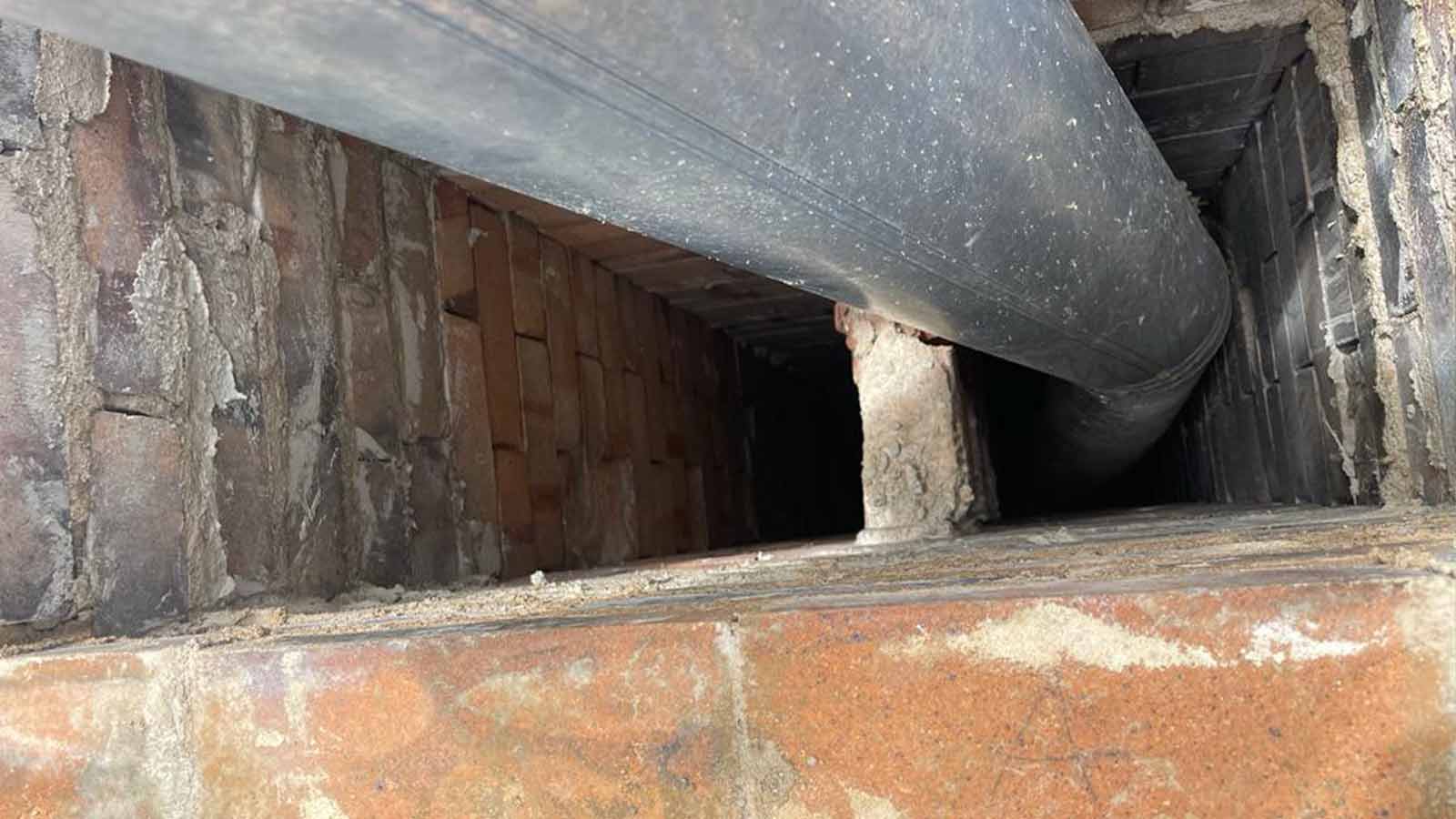
None of these show up overnight. They creep in over a season or two, which is exactly why an annual check catches them while they're cheap to fix. A cracked flue tile spotted in October is a small repair. The same crack ignored until it lets heat reach your framing is a different story.
The Safety Risks of a Neglected Chimney
The National Fire Protection Association recommends annual chimney inspections to cut the risk of fires and carbon monoxide poisoning, and we've seen first-hand why. You can read their guidance straight from the source over at the National Fire Protection Association. On top of that, our fair pricing keeps maintenance affordable, so you can protect your family’s health without it stinging the budget.
Carbon monoxide is the part most people don't think about. It has no smell and no color, and a blocked or cracked flue can let it seep back into the house instead of venting outside. A clean chimney with a sound liner is your main line of defense against that. It's also why we don't treat a sweep as just a cosmetic job. We're checking that everything still vents the way it should.
What Our Chimney Sweep Services Include
A proper chimney sweep covers a lot more than running a brush up the flue. We work on the whole system so your heating appliances run efficiently and safely. Here's what you can expect when our crew shows up at your Grand Lake home.
Key Services in Grand Lake, CO
| Service | Details |
|---|---|
| Chimney Cleaning | We remove creosote, soot, and debris to improve airflow and keep the system efficient. |
| Chimney Inspection | Our visual inspection finds damage, hazards, or defective flue tiles before they get worse. |
| Dryer Vent Cleaning | We clear lint buildup to lower your fire risk and get your dryer running better with professional dryer vent cleaning. |
Every visit starts with us laying down protection and ends with us hauling our mess out with us. You shouldn't be able to tell we were there except that your fireplace draws better and you've got a clear report on what we found.
We Clean All Fireplace and Stove Types
- Wood burning fireplaces and open hearths
- Gas fireplaces and gas inserts
- Pellet stoves and wood stoves
- Freestanding mountain-cabin stoves with long flue runs
People ask me if their gas fireplace really needs sweeping since it's not wood. It does. Gas units still need the flue checked for blockages and the venting confirmed, because a bird's nest or a cracked liner is just as dangerous on gas as it is on wood. I check every type the same careful way.
- Adam, Owner, Adam Chimney Sweep
How a Chimney Sweep Works, Step by Step
If you've never had a professional sweep before, here's how we run a typical job so there are no surprises:
- We walk the area and lay down drop cloths to keep soot off your floors and furniture.
- We look over the firebox, damper, and visible flue, then check the exterior and crown from the roof.
- We brush the flue from top to bottom (or bottom to top, depending on the setup) to knock loose all the creosote and soot.
- We vacuum out the debris with a HEPA-filtered system so the dust stays contained.
- We confirm the damper opens and closes right and that the draft is pulling the way it should.
- We walk you through what we found and flag anything that needs a repair, with honest pricing and no pressure.
The whole thing usually takes about an hour for a standard chimney. If we find a problem mid-job, we stop and explain it before doing any extra work. You always get to decide what happens next.
Common Chimney Problems We Fix
Dealing with an inoperable gas fireplace or need to repair defective flue tiles? Our technicians handle the full range of repairs, not just the easy ones:
- Masonry damage, from crumbling mortar joints to spalled brick
- Cracked or deteriorated flue liners that need patching or replacement
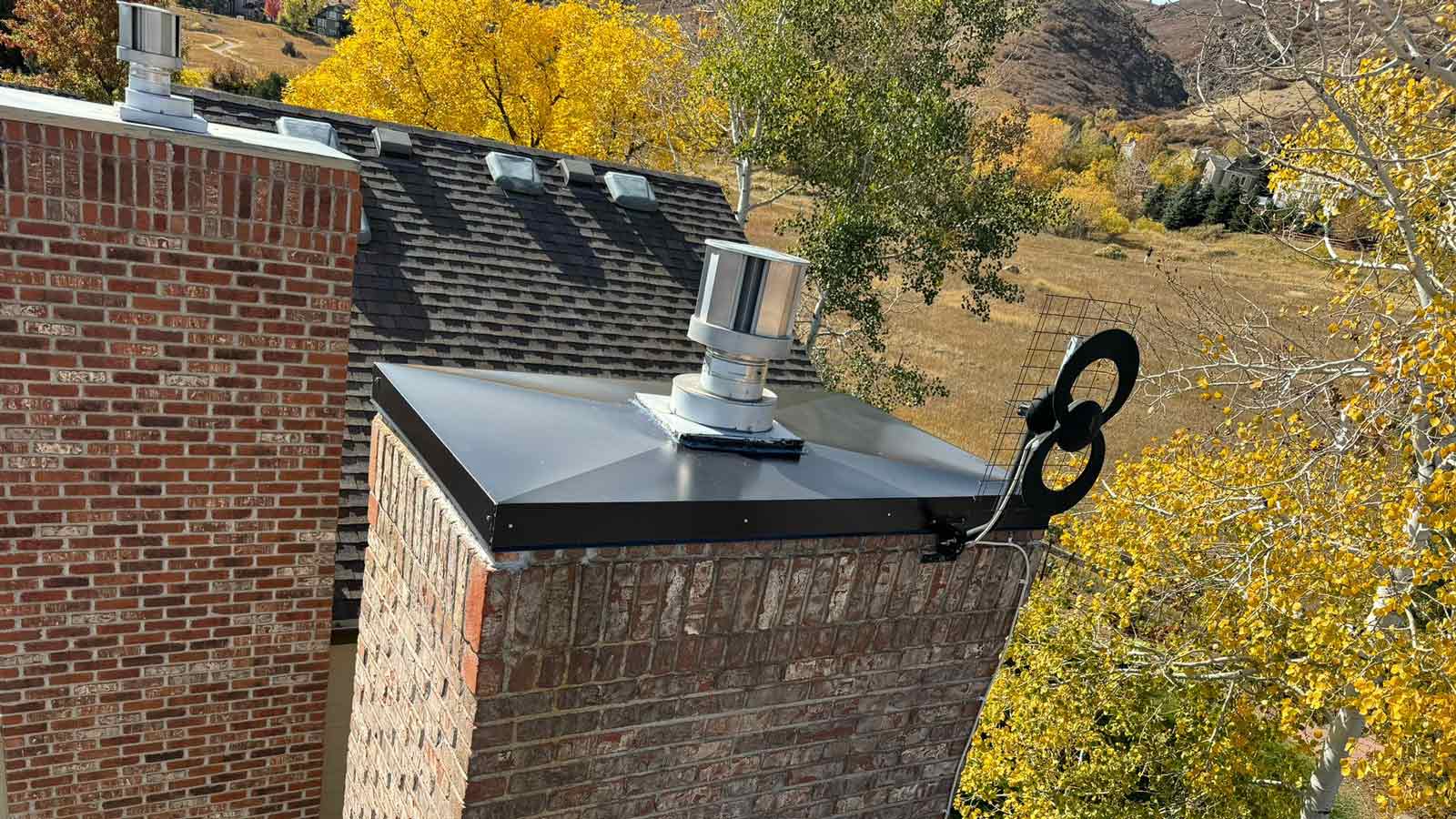
- Installing chimney caps to keep out rain, animals, and embers
- Crown repair and waterproofing to stop moisture before it gets inside
Up in Grand Lake, water and freeze-thaw cycles do most of the damage we see. Snow melts, seeps into a tiny crack, freezes overnight, and pries the masonry apart a little more each time. By spring a hairline crack can turn into a real problem. Catching it early with a cap and a quick seal saves you a much bigger repair down the road.
Why Choose Us for Chimney Services in Grand Lake
We're a Colorado family business, and we treat your home the way we'd want ours treated. Our chimney sweeps care about safety, a clean job site, and straight answers. Whether it's a routine cleaning or a major repair, we do the work right the first time and stand behind it.
The Adam Chimney Sweep Advantage
- Locally owned and operated out of Denver, CO, serving Grand Lake and the surrounding mountains
- Working on Colorado chimneys since 2001, so we know how altitude and weather affect them
- We use protective drop cloths on every visit to keep your home clean
- Friendly, knowledgeable technicians who explain what they find in plain English
- Honest pricing with no upsells you don't need
Driving up to Grand Lake from Denver means I'm not the guy you call for a five-minute job and a rushed exit. I want to make the trip worth it for both of us, so I take my time, check everything, and leave your place cleaner than I found it. That's how my dad taught me and that's how we still do it.
- Adam, Owner, Adam Chimney Sweep
What Sets Mountain Chimneys Apart
Chimneys at Grand Lake's elevation behave a little differently than the ones down in the city. Thinner air changes how a fire draws, so a flue that's even slightly undersized or partly blocked struggles more up here than it would at lower elevation. Cold outside air also sits heavy in an unused flue, which is why a mountain chimney sometimes needs a little coaxing to start drawing on a frigid morning. A clean, properly sized flue makes all of that easier.
The other big factor is how much harder these systems work. A flatlander might burn a dozen fires a winter. A Grand Lake cabin might have a fire going every single night from October through April. That's a lot of creosote, and it's why we usually recommend a yearly sweep for full-time mountain homes rather than stretching it to every other year. For wood-burning guidance on cleaner, more efficient fires, the EPA's Burn Wise program is a solid resource worth a look.
How to Schedule Your Free Chimney Inspection
Ready to get your chimney back in good working order before the next cold snap? Give us a call at (720) 207-9232 or reach out for a free chimney inspection. We'll find a time that works, make the drive up to Grand Lake, and get your fireplace running safely and efficiently again.
From dryer vent cleaning to pellet stove repairs, you get the same careful work and the same fair pricing every time, backed by our commitment to your family's safety. Call Adam Chimney Sweep today and let's get your chimney sorted before winter sets in.
Frequently Asked Questions
How often should I have my chimney swept in Grand Lake?
For a full-time mountain home that burns wood most nights through the winter, once a year is the right call. If you only light the occasional fire, every other year may be fine, but we'd still want to inspect it annually to catch any moisture or animal issues. Gas fireplaces need a yearly inspection too, even though they don't build creosote the way wood does.
What's the difference between a cleaning and an inspection?
A cleaning removes the creosote, soot, and debris from the flue. An inspection is us looking the whole system over for cracks, blockages, damaged liners, and venting problems. We do both on a standard visit, because there's no point cleaning a chimney without making sure it's safe to use afterward.
Do you really drive all the way to Grand Lake from Denver?
We do. We've served the Grand Lake area and the rest of Grand County for years. Because it's a longer trip, we make the most of every visit and handle as much as we can while we're on site, so you're not waiting on a second appointment for something we could have caught the first time.
How do I know if my chimney needs attention right now?
A few warning signs are worth a call sooner rather than later: smoke spilling into the room when you light a fire, a strong tarry or campfire smell coming from the fireplace even when it's cold, white staining on the exterior masonry, or pieces of brick and mortar showing up in the firebox. If you're seeing any of those, don't keep burning until we've had a look.