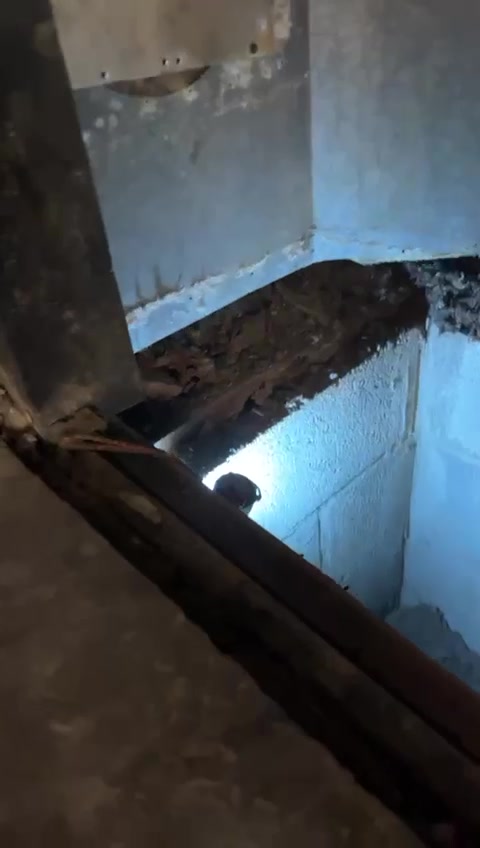
A closer look inside the same flue, where the soot and creosote actually collect. Seeing the buildup on camera tells us how heavy it is and whether the liner underneath is still sound, so the homeowner gets a straight answer about what the chimney really needs instead of a sales pitch.
Reading the buildup on the walls
Creosote comes in stages. A dusty gray film is normal service wear. Crunchy black flakes mean the fires are burning cool or the wood is wet. A shiny tar glaze is the high-fuel deposit that feeds chimney fires. The camera makes the stage obvious instead of a guess.
Checking the liner underneath
Buildup hides the liner, so part of the inspection is knowing what is deposit and what is damage. We look for cracked or spalled tile, gaps at the joints and any shift in alignment, the defects that let heat and flue gases reach the framing around the chimney.
What you get from it
A plain-language verdict backed by footage: clean and keep burning, sweep now, or repair before the next fire. Most inspections end with the first two. When we do recommend work, you have already seen the reason for it with your own eyes.